How Does L-Arginine Work for Blood Flow & Nitric Oxide?
| What it is | L-Arginine is a semi-essential amino acid and the raw material for nitric oxide. |
| How it works | The body converts L-arginine into nitric oxide, which relaxes blood-vessel walls so blood flows more freely. |
| Why men use it | Healthy circulation supports energy, exercise pumps, recovery and performance. |
| Typical dose | Studies range widely, commonly ~1.5–several grams/day; some formulas pair it with L-citrulline. |
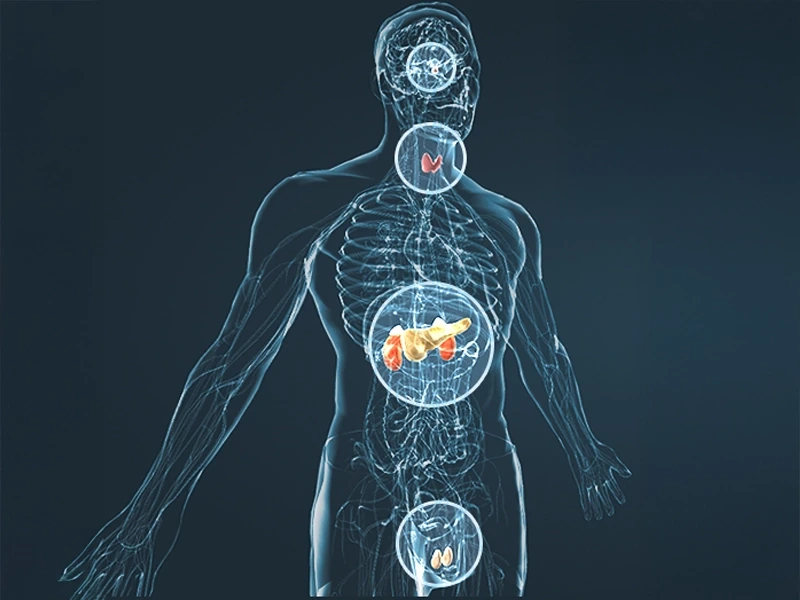
If you’ve ever wondered how does L-Arginine work, the answer is one of the more elegant bits of physiology in supplement science: it is the raw material your body uses to make nitric oxide, the molecule that tells your blood vessels to relax and open up. That single step — L-arginine to nitric oxide — is why this amino acid shows up in pre-workout powders, heart-health formulas and men’s vitality products alike. This guide walks through the pathway in plain English, the evidence, sensible dosage, and how to read a label so you actually get a useful amount.
What is L-Arginine?
L-Arginine is an amino acid — one of the building blocks of protein. It’s classed as “semi-essential” or “conditionally essential,” meaning your body can usually make enough on its own, but during times of stress, illness, hard training or aging, dietary and supplemental sources become more important. You get it naturally from protein-rich foods such as meat, poultry, fish, dairy, nuts and legumes. As a supplement, it’s taken specifically to support the body’s production of nitric oxide.
How does L-Arginine work? The nitric oxide pathway
Here is the mechanism, step by step. An enzyme called nitric oxide synthase takes L-arginine and converts it into nitric oxide (NO). Nitric oxide is a gas that acts as a signalling molecule inside the thin lining of your blood vessels, the endothelium. When nitric oxide is released, it tells the smooth muscle in the vessel wall to relax. As that muscle relaxes, the vessel widens — a process called vasodilation — and blood flows through more easily and at lower pressure.
Why does that matter to a man interested in vitality? Because so much of how you feel and perform runs on circulation. Better blood flow means more oxygen and nutrients delivered to working muscles, that satisfying “pump” during training, faster clearance of metabolic waste for recovery, and support for performance in the bedroom as much as the gym. Nitric oxide is genuinely central to all of it — the 1998 Nobel Prize in Physiology or Medicine was awarded for discovering its role as a signalling molecule in the cardiovascular system.
L-Arginine vs L-Citrulline: two routes to nitric oxide
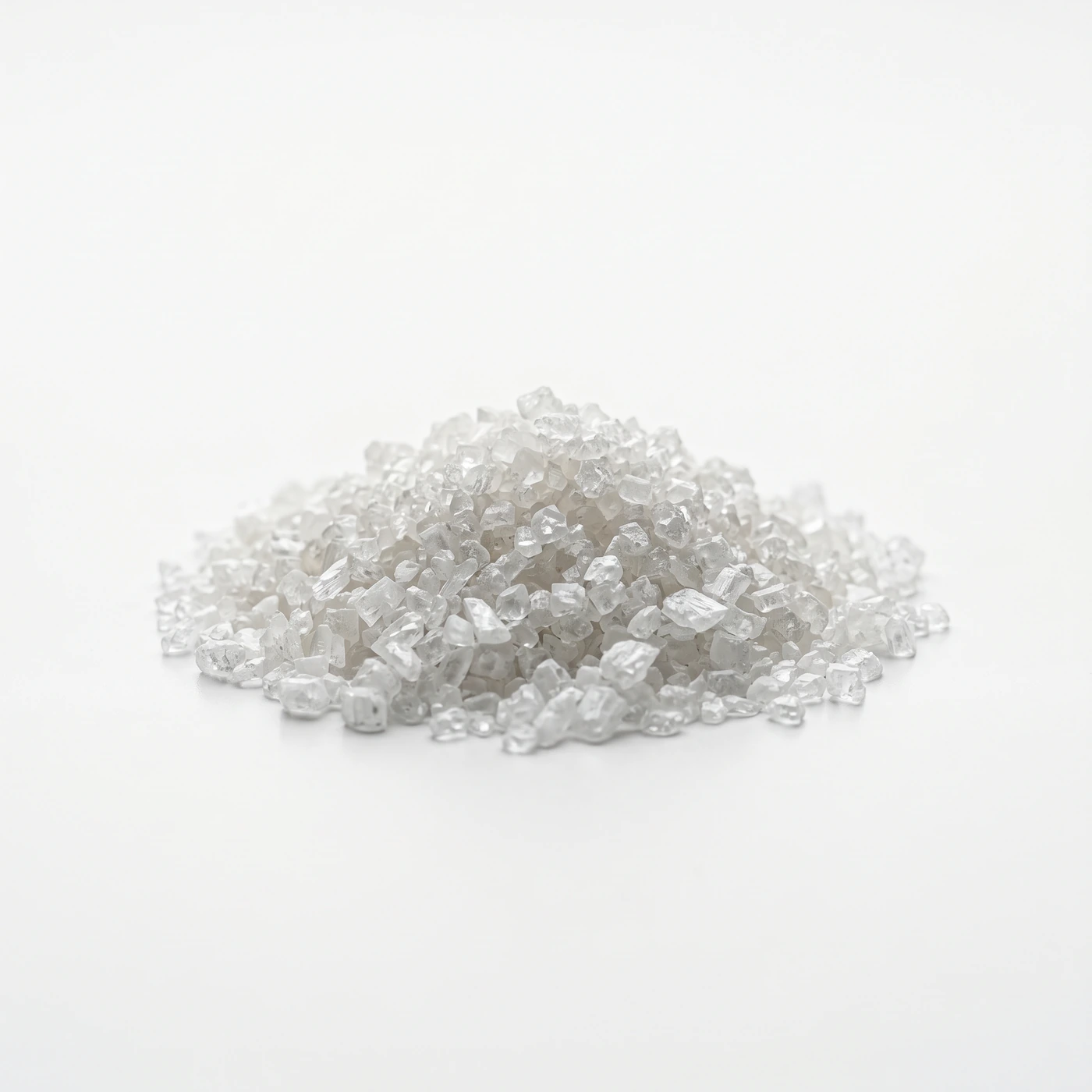
You’ll often see L-arginine mentioned alongside L-citrulline, and it’s worth understanding why. Both amino acids feed the same nitric-oxide pathway, but by different routes. Taken orally, a good portion of L-arginine is broken down in the gut and liver before it reaches your bloodstream. L-citrulline sidesteps some of that: it’s absorbed well and then converted into L-arginine in the kidneys, which can raise blood arginine levels more steadily over time. That’s why some modern formulas combine the two — citrulline to keep the tank topped up, arginine as the direct, well-studied classic. Neither is a magic bullet; they are tools that support the same mechanism.
Support circulation the easy way
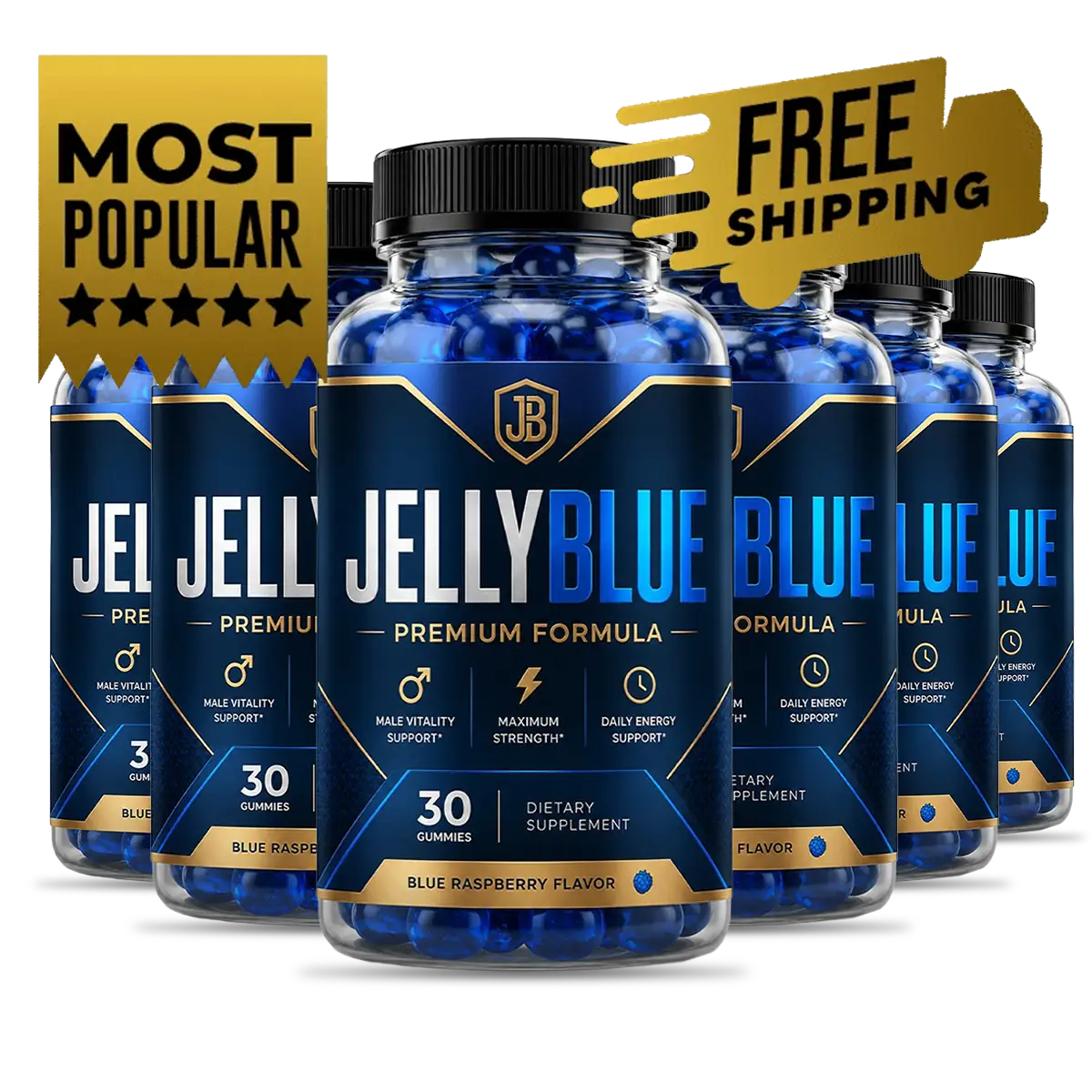
JellyBlue pairs L-Arginine with beet root, grape seed and five other named male-vitality actives in one daily blue-raspberry gummy — doses printed on the label, backed by a 60-day guarantee.
See JellyBlue PackagesWhat supports the L-Arginine pathway naturally
L-Arginine doesn’t work in isolation. A few partners show up again and again on circulation-focused labels because they support the same goal from different angles:
- ✓ Dietary nitrates from beet root — these feed a separate, complementary nitrate–nitrite–nitric-oxide pathway, which is why endurance athletes have long used beet juice.
- ✓ Antioxidant polyphenols from grape seed — studied for their supportive role in vascular health, they help protect nitric oxide once it’s made.
- ✓ Regular cardio and strength training — exercise itself is one of the strongest natural stimulators of nitric-oxide production.
- ✓ A vegetable-rich diet — leafy greens are a natural source of nitrates, and whole foods support the endothelium.
This is exactly why circulation-minded formulas stack these ingredients together rather than relying on one. For the bigger lifestyle picture — sleep, movement and stress — see our guide to boosting male stamina and energy after 40.
L-Arginine dosage: how much is sensible?
Dosages in research vary widely depending on the goal, from around 1.5 grams up to several grams per day, frequently split into two or three servings. Some people notice a mild gut sensitivity at the higher end, which is one reason split dosing and combination formulas (using citrulline to reach the target more gently) have become popular. As with any amino-acid supplement:
- ✓ Start with the amount printed on the label rather than guessing.
- ✓ Give it a consistent run — circulation support is a “steady daily habit” ingredient, not a one-off.
- ✓ If you take blood-pressure medication, nitrates, or have a heart condition, talk to your doctor first — L-arginine can affect blood pressure.
Because milligram amounts vary so much between products, knowing how to read the panel is essential — our guide to reading a male-enhancement supplement label shows you exactly what to check so you’re not paying for a pinch hidden in a “blend.”
Who uses L-Arginine, and safety notes
L-Arginine is popular with active men, gym-goers who want a better pump, and anyone focused on general circulation and vitality. It’s an ingredient about the plumbing, not a stimulant — there’s no caffeine-style jolt. On safety, it’s generally well tolerated at typical doses, with mild digestive upset being the most common complaint. The important cautions: because it can lower blood pressure and widen vessels, it should be used carefully alongside blood-pressure or erectile-function medications and nitrates, and anyone with a heart condition, low blood pressure, or who is pregnant or breastfeeding should check with a healthcare professional. It is a supplement for general wellness, not a treatment for any disease.
The bottom line
So, how does L-Arginine work? It hands your body the raw material to make nitric oxide, the molecule that relaxes and widens your blood vessels so blood flows more freely. That single mechanism supports energy, exercise, recovery and performance — which is why it’s a mainstay of men’s formulas. Pair it with beet root and grape seed, stay consistent, keep the rest of your lifestyle pointed in the right direction, and choose a product transparent enough that you can see exactly how much you’re getting. That’s the whole idea behind JellyBlue.
Frequently asked questions
How does L-Arginine work in the body?
L-Arginine is an amino acid that the body converts into nitric oxide, a signalling molecule that helps the smooth muscle in blood-vessel walls relax. When vessels relax and widen, blood flows more easily, which is why L-arginine is associated with circulation support.
Is L-Arginine or L-Citrulline better for nitric oxide?
Both feed the same pathway. L-Citrulline is converted to L-arginine in the kidneys and tends to raise blood arginine levels more steadily, so some formulas pair them. L-arginine remains the classic, well-studied starting point for nitric oxide support.
What is a typical L-Arginine dosage?
Studies have used a wide range, commonly from around 1.5 grams up to several grams per day, often split into doses. The right amount depends on the product and the goal, so follow the label and, if you take medication, check with a healthcare professional.
Does L-Arginine support male performance?
Because healthy circulation underpins performance, L-arginine is a common ingredient in men’s formulas. It supports the nitric oxide pathway generally; it is not a treatment for any medical condition, and individual results vary.
Can I get enough L-Arginine from food?
A balanced, protein-rich diet supplies L-arginine from meat, fish, dairy, nuts and legumes. Supplements are used when someone wants a larger, targeted amount to support the nitric-oxide pathway beyond what a typical meal provides.
References
1. National Institutes of Health, Office of Dietary Supplements — fact sheet material on L-arginine and dietary nitrates. 2. Nobel Prize in Physiology or Medicine (1998) — nitric oxide as a signalling molecule in the cardiovascular system. 3. Peer-reviewed reviews on L-arginine, L-citrulline and endothelial function, indexed via NCBI PubMed. Links to organizations are for identification and do not imply endorsement of this product.
† These statements have not been evaluated by the FDA. This product is not intended to diagnose, treat, cure or prevent any disease. This article is for general information only and is not medical advice.