Saw Palmetto Benefits for Men: Prostate Support & DHT
| What it is | An extract of the berries of the American dwarf palm (Serenoa repens), rich in free fatty acids and phytosterols. |
| How it works | Its liposterolic compounds are studied for gently moderating 5-alpha-reductase — the enzyme that turns testosterone into DHT — to support normal prostate function. |
| Typical dose | ~320 mg/day of a liposterolic extract standardized to 85–95% fatty acids, taken with food. |
| Key nuance | It supports everyday prostate and urinary wellness — it is not a treatment for any prostate disease. See a doctor for symptoms. |
Of all the botanicals aimed at men over 40, saw palmetto is probably the best known for one specific reason: the prostate. It is among the most widely used herbal supplements for men’s midlife wellness, and it sits at an interesting crossroads of hormones, aging and everyday comfort. This guide explains the real saw palmetto benefits for men — where the berry comes from, how it works on the testosterone-to-DHT pathway, what the research genuinely supports for prostate and urinary wellness, sensible dosage, and how to choose a product that actually contains what the studies used.
What is saw palmetto?
Saw palmetto (Serenoa repens) is a hardy fan palm native to the southeastern United States, especially Florida. Native American communities used its dark berries as food and medicine for generations, particularly for the urinary and reproductive health of men. Modern supplements concentrate the berry into a liposterolic extract — “lipo” for the fatty acids and “sterolic” for the plant sterols — because these fat-soluble compounds, not the fibre or sugars, are thought to carry the activity.
The two constituent groups that matter are:
- ✓ Free fatty acids — such as lauric, myristic and oleic acids, which make up the bulk of a standardized extract.
- ✓ Phytosterols — plant sterols like beta-sitosterol that are studied for supporting a healthy inflammatory response in tissue.
This is why the standardization figure on the label matters so much: quality extracts state a fatty-acid percentage (commonly 85–95%). A cheap powdered berry that does not name that percentage is a completely different product, a distinction we dig into in our guide to reading a male-enhancement supplement label.
How saw palmetto works: the DHT mechanism
To understand saw palmetto you first have to understand DHT (dihydrotestosterone). DHT is a hormone your body makes from testosterone using an enzyme called 5-alpha-reductase. DHT is a normal, necessary androgen — but the prostate is highly sensitive to it, and as men age, DHT activity in prostate tissue is one factor associated with the gland gradually enlarging.
Saw palmetto’s headline proposed mechanism is that its fatty acids can gently inhibit 5-alpha-reductase, moderating how much testosterone is converted into DHT within the prostate. Importantly, this is described as a soft, supportive influence rather than the strong, drug-level blockade produced by prescription medicines. A second proposed mechanism involves its phytosterols supporting a healthy inflammatory response in prostate tissue, and there is also research on how it may interact with hormone receptors in the gland. Together these actions form the rationale for saw palmetto’s traditional reputation for prostate comfort.
One reassuring point: because saw palmetto acts mainly on the local conversion of testosterone to DHT rather than on testosterone production itself, it is not thought to lower your overall testosterone. That is a meaningful contrast with ingredients aimed at raising free testosterone, such as the botanicals covered in our guide to how Tongkat Ali works.
Everyday male vitality, made simple
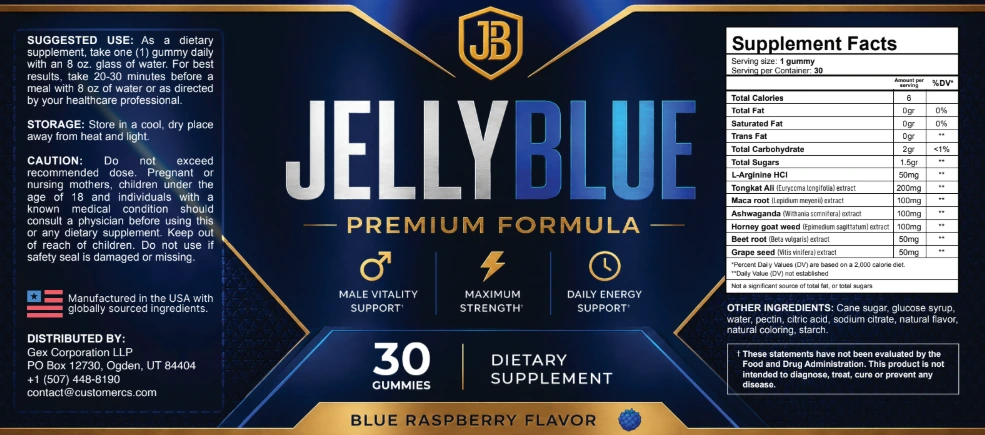
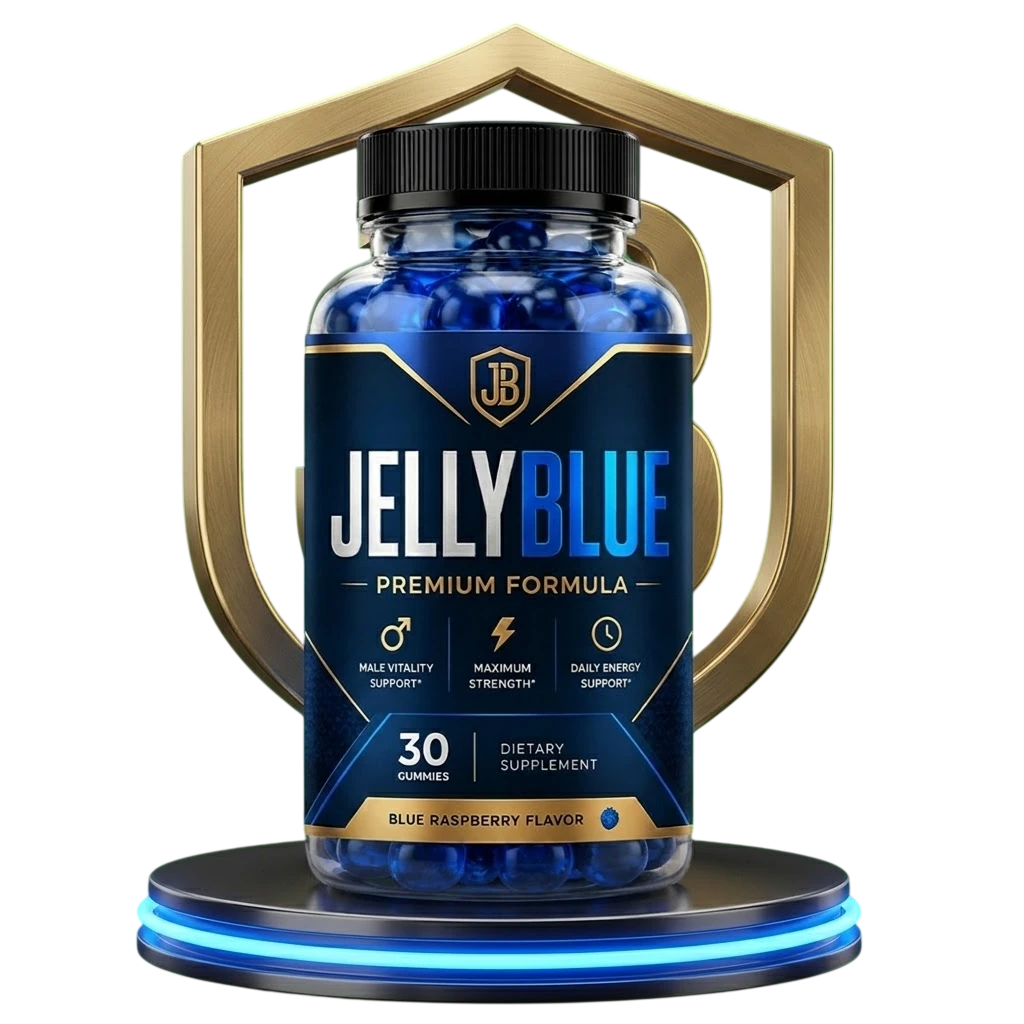
JellyBlue is a once-daily blue-raspberry gummy built around seven named male-vitality actives — Tongkat Ali, Maca, Ashwagandha, Horny Goat Weed, L-Arginine, beet root and grape seed — focused on the energy, stamina and circulation side of men’s wellness. Every dose is printed on the label, backed by a 60-day guarantee.
See JellyBlue PackagesWhat the research suggests
Saw palmetto is one of the more heavily studied herbs, and the evidence deserves an honest, balanced summary. Research has focused on the following — all framed as general-wellness support, not disease treatment:
- ✓ Prostate comfort — many men use it to support normal prostate function as they age; some trials report benefits for urinary comfort while others find effects modest, so evidence is mixed but the traditional use is strong.
- ✓ Urinary flow and frequency — studies have examined nighttime bathroom trips and flow, common midlife quality-of-life concerns.
- ✓ Hair and scalp interest — because of the DHT link, saw palmetto is also studied in the context of DHT-related hair thinning, though evidence here is preliminary.
- ✓ Healthy inflammatory response — the phytosterol fraction is studied for supporting comfortable tissue.
The honest summary: saw palmetto is a well-tolerated, traditional prostate-support herb with a plausible mechanism and a large, if mixed, body of research. It is a wellness supplement, not a cure — and prostate symptoms always warrant a proper medical evaluation rather than self-treatment.

Dosage, timing and how to read the label
Saw palmetto is a good example of an ingredient where the details decide whether you get value:
- ✓ Dose: the most-studied amount is 320 mg/day of a liposterolic extract, taken once daily or split as 160 mg twice daily.
- ✓ Standardization: look for 85–95% fatty acids stated on the label — this is the marker of a proper liposterolic extract.
- ✓ Take with food: because the actives are fat-soluble, taking it with a meal that contains some fat supports absorption.
- ✓ Be patient: prostate and urinary benefits in trials generally emerge over one to three months of consistent use.
As with any single active, saw palmetto works best as part of a thoughtful overall approach rather than in isolation — understanding how male-vitality ingredients work together helps you avoid stacking products that duplicate the same job.
Safety, side effects and important cautions
Saw palmetto is generally well tolerated, and side effects when they occur are usually mild — typically minor digestive upset, which taking it with food often reduces. A few important cautions apply. Because it may have a mild effect on blood clotting, discuss it with a healthcare professional if you take blood thinners or have surgery scheduled. More importantly, saw palmetto can influence PSA (prostate-specific antigen) readings in some contexts, so always tell your doctor you are taking it before a prostate check. And the essential point bears repeating: urinary symptoms, blood in the urine, or a change in bathroom habits should always be evaluated by a doctor, because they can have serious causes that no supplement addresses. Saw palmetto is for everyday wellness support, not self-diagnosis or self-treatment.
Where saw palmetto fits in a men’s routine
Saw palmetto occupies a specific niche: it is the go-to herb for the prostate and urinary side of midlife male wellness, working on the DHT pathway rather than on energy or circulation. That makes it complementary to — not a replacement for — the vitality ingredients men reach for elsewhere. A complete routine tends to pair targeted prostate support with circulation and energy support and, underneath it all, the fundamentals of weight management, movement and a plant-rich diet. That layered thinking is the same philosophy behind JellyBlue, and it is the theme of our broader guide to boosting male stamina and energy after 40. Choose ingredients for the specific job you want done, and let each one do what it does best.
Frequently asked questions
What does saw palmetto do for men?
Saw palmetto is a berry extract traditionally used to support normal prostate function and comfortable, healthy urinary flow in aging men. Its proposed mechanism involves gently influencing the enzyme that converts testosterone to DHT. These are general-wellness observations, not a treatment for any prostate condition, and results vary.
How does saw palmetto affect DHT?
Saw palmetto’s fatty acids and phytosterols are studied for gently inhibiting 5-alpha-reductase, the enzyme that converts testosterone into the more potent androgen DHT. By moderating that conversion it is proposed to support a healthy hormonal balance in prostate tissue. This is a supportive action, not a drug-level blockade.
How much saw palmetto should a man take?
Most research uses about 320 mg per day of a liposterolic extract standardized to 85 to 95 percent fatty acids, taken either once daily or as 160 mg twice daily with food. Follow the product label and speak with a healthcare professional, especially if you take medication or have prostate symptoms.
Does saw palmetto lower testosterone?
Saw palmetto is not thought to lower total testosterone. Its proposed action is on the local conversion of testosterone to DHT rather than on testosterone production itself. Any effect is gentle and supportive; it is not a hormone-suppressing drug.
Can saw palmetto help with hair loss?
Because male-pattern hair thinning is linked to DHT, saw palmetto is sometimes explored for hair support, and some small studies are encouraging. However the evidence is preliminary and much weaker than for its prostate use, so treat any hair benefit as unproven rather than expected.
How long before saw palmetto works?
In studies, benefits for urinary comfort and prostate wellness typically appear gradually over one to three months of daily use. It is not an acute ingredient, so consistency over weeks matters far more than any single dose.
References
1. Systematic reviews and human trials on Serenoa repens (saw palmetto) for prostate and urinary wellness, indexed via NCBI PubMed and the Cochrane Library. 2. Reviews of saw palmetto phytochemistry, including fatty acids, phytosterols and 5-alpha-reductase activity. 3. National Institutes of Health, National Center for Complementary and Integrative Health — general guidance on saw palmetto and safety. Statements describe traditional or general use; individual results vary, and prostate symptoms warrant medical evaluation. Links to organizations are for identification and do not imply endorsement of this product.
† These statements have not been evaluated by the FDA. This product is not intended to diagnose, treat, cure or prevent any disease. This article is for general information only and is not medical advice.