Does Beetroot Boost Blood Flow? Dietary Nitrates & Nitric Oxide
| The quick answer | Beetroot is one of the richest food sources of nitrate, and research suggests nitrate-rich beetroot can support healthy blood flow and exercise efficiency. |
| How it works | Via the nitrate–nitrite–nitric-oxide pathway: dietary nitrate is converted, step by step, into the nitric oxide that helps vessels relax. |
| Typical dose | Studies often use beetroot delivering ~300–600 mg of nitrate; supplements use concentrated beet root to supply a meaningful dose. |
| Vs L-arginine | A separate nitric-oxide route — which is why formulas often pair beet root with L-arginine. |
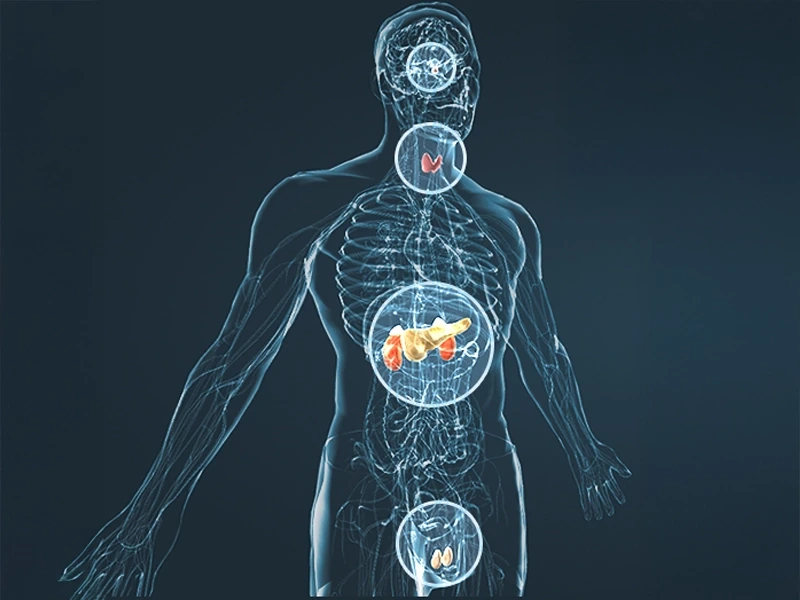
If you have seen athletes drinking bright-purple shots before a race, you have already met the question at the heart of this guide: does beetroot boost blood flow? Beetroot has become one of the most talked-about foods in sports and men’s-health circles, and unlike a lot of hype it rests on a genuinely well-mapped mechanism. This article explains what beetroot actually does, how dietary nitrates become nitric oxide, what the research suggests, sensible dosage context, and how the beetroot route differs from the L-arginine route you may already know.
Does beetroot boost blood flow? The short answer
Yes — beetroot can support healthy blood flow, and the reason is its exceptional nitrate content. Beetroot is one of the richest dietary sources of naturally occurring nitrate, and a good body of research in healthy, active adults shows that nitrate-rich beetroot can support circulation and improve the efficiency of exercise (the amount of oxygen your muscles need for a given effort). It is important to frame this accurately: these are general wellness and performance observations in healthy people, not a treatment for any medical condition, and the size of the effect varies from person to person.
How beetroot works: the nitrate–nitrite–nitric-oxide pathway
The mechanism behind beetroot is elegant and worth understanding, because it explains both why it works and why timing matters. It is called the nitrate–nitrite–nitric-oxide pathway, and it happens in three steps.
Step 1: nitrate from food
When you consume beetroot, you take in a dose of dietary nitrate. Some of that nitrate is absorbed and, interestingly, is then concentrated back into your saliva — the body actively recycles it toward the mouth.
Step 2: bacteria make nitrite
Friendly bacteria that live on the surface of your tongue convert a portion of that nitrate into nitrite. This step is why using strong antibacterial mouthwash can blunt beetroot’s effect — it disrupts the very bacteria doing the work.
Step 3: the body makes nitric oxide
Finally, the body converts nitrite into nitric oxide, the signalling molecule that tells the smooth muscle in blood-vessel walls to relax, allowing vessels to widen and blood to flow more freely. This conversion is especially active where oxygen is low — exactly the conditions inside hard-working muscle — which is part of why beetroot is so associated with exercise.

Nitric-oxide support in one daily gummy
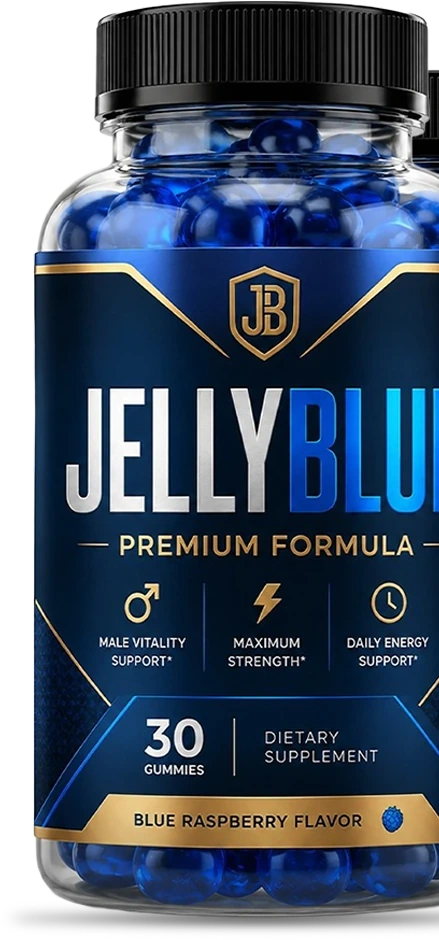
JellyBlue combines beet root with L-Arginine and five other named male-vitality actives in one blue-raspberry gummy a day — supporting nitric oxide from more than one angle, with every dose printed on the label and a 60-day guarantee.
See JellyBlue PackagesBeetroot vs L-arginine: two routes to the same molecule
This is the part most people find genuinely useful. Your body makes nitric oxide by two largely separate routes. The first is the enzyme-driven route inside blood-vessel cells, which uses the amino acid L-arginine as its raw material — the pathway we cover in detail in our guide to how L-arginine works for blood flow and nitric oxide. The second is the dietary nitrate route described above, which does not depend on that enzyme at all.
Because the two pathways are independent, they are complementary rather than redundant. One works best in well-oxygenated conditions; the other kicks in precisely where oxygen is scarce. That is why thoughtfully built men’s formulas often include both L-arginine and beet root — and why pairing beetroot with an antioxidant like grape seed extract, which helps protect the vessel lining, is a common circulation-support strategy.
What the research suggests about beetroot and blood flow
Keeping the claims precise, human studies on nitrate-rich beetroot have most consistently looked at:
- ✓ Exercise efficiency — trials in trained and recreational adults have examined the oxygen cost of a given workload.
- ✓ Endurance and stamina — time-to-exhaustion and perceived effort during sustained activity.
- ✓ Healthy circulation — markers of blood-vessel function and blood flow at rest and during exercise.
- ✓ Blood-pressure already in the normal range — studied as a general cardiovascular-wellness marker in healthy adults.
The honest summary: the beetroot evidence base is one of the stronger ones for a food ingredient, but effects are usually modest and most reliable in active people. Treat it as a supportive tool inside a healthy routine, not a magic pre-workout.
Beetroot dosage and timing
Two things matter with beetroot: the nitrate dose and, if you are using it for exercise, the timing.
- ✓ Common study dose: beetroot delivering roughly 300–600 mg of nitrate (often given as concentrated juice).
- ✓ Timing: nitric-oxide levels tend to peak a couple of hours after intake, so exercise studies often dose 2–3 hours before activity.
- ✓ Concentrated extracts: supplements use concentrated beet root to supply a meaningful nitrate dose in a smaller serving — read the label for the amount.
As always, the label is the source of truth. This is exactly the kind of detail we unpack in our guide to reading a male-enhancement supplement label. Follow the directions on the product you buy, and check with a healthcare professional if you take medication or have a health condition.
Who uses it, and safety notes
Beetroot and beet root supplements are popular with men who want circulation and stamina support, whether for training or simply for everyday energy. If that is your goal, our companion piece on boosting male stamina and energy after 40 places ingredients like this into a wider lifestyle picture.
On safety: dietary nitrate from beetroot is generally well tolerated. A couple of harmless quirks are worth knowing — beetroot can turn urine or stool a pinkish-red colour (called beeturia), which is normal and not a cause for concern. Because nitrate supports vessel relaxation, anyone taking blood-pressure medication or nitrate-based heart medication should speak with a doctor first. Avoid strong antibacterial mouthwash around the time you take it, since that can blunt the pathway. And as with any supplement, follow the label rather than doubling up.
How to choose a quality beet root product
- ✓ A stated nitrate or beet root amount — vague “beet powder” tells you little.
- ✓ A concentrated, standardized extract where possible, so the serving is meaningful.
- ✓ No opaque proprietary blend hiding how much you actually get.
- ✓ A reputable GMP manufacturing standard and clear labelling.
That transparency is the whole idea behind JellyBlue, which lists beet root alongside L-Arginine, grape seed extract, Tongkat Ali, Maca, Ashwagandha and Horny Goat Weed — each dose on the label, delivered as one easy daily gummy.
Frequently asked questions
Does beetroot really boost blood flow?
Beetroot is one of the richest dietary sources of nitrates, and research in active adults suggests that nitrate-rich beetroot can support healthy blood flow and exercise efficiency by raising the body’s nitric oxide. These are general wellness observations in healthy people, not treatments for any medical condition, and results vary.
How do dietary nitrates turn into nitric oxide?
This is the nitrate–nitrite–nitric-oxide pathway. Nitrate from beetroot is concentrated in saliva, bacteria on the tongue convert some of it to nitrite, and the body then converts nitrite to nitric oxide, especially where oxygen is low. It is a separate route from the L-arginine pathway that also makes nitric oxide.
How much beetroot do studies use?
Many exercise studies use concentrated beetroot juice standardized to deliver roughly 300 to 600 mg of nitrate, often taken 2 to 3 hours before activity. Concentrated beet root extracts in supplements aim to supply a meaningful nitrate dose in a smaller serving; read the label for the amount.
Is beetroot the same as L-arginine for nitric oxide?
Both raise nitric oxide but by different routes. L-arginine feeds the enzyme-driven pathway inside blood-vessel cells, while beetroot nitrate feeds the separate nitrate–nitrite pathway. Because they act through different mechanisms, formulas often include both to support nitric oxide from more than one angle.
Why does beetroot turn my urine pink?
That is beeturia, a harmless effect caused by natural pigments in beetroot passing through. It is not a sign of a problem and is more common in some people than others. If you ever see red in urine and have not eaten beetroot, that is different and worth checking with a doctor.
References
1. Peer-reviewed reviews and clinical trials on dietary nitrate, beetroot and the nitrate–nitrite–nitric-oxide pathway, indexed via NCBI PubMed. 2. National Institutes of Health, Office of Dietary Supplements — general guidance on nitrate and cardiovascular-relevant nutrients. 3. Exercise-physiology literature on nitrate supplementation, oxygen efficiency and endurance in healthy adults. Links to organizations are for identification and do not imply endorsement of this product.
† These statements have not been evaluated by the FDA. This product is not intended to diagnose, treat, cure or prevent any disease. This article is for general information only and is not medical advice.