Grape Seed Extract Benefits for Men: How OPCs Support Circulation
| What it is | A concentrated extract from grape seeds, rich in antioxidant compounds called proanthocyanidins (OPCs). |
| How it works | OPCs neutralise free radicals and help protect the endothelium — the vessel lining that makes nitric oxide — supporting healthy circulation. |
| Typical dose | Studies commonly use 100–300 mg/day of an extract standardized to a set percentage of proanthocyanidins. |
| On the label | Look for a stated milligram amount and a standardization % — not just “grape seed powder” buried in a blend. |
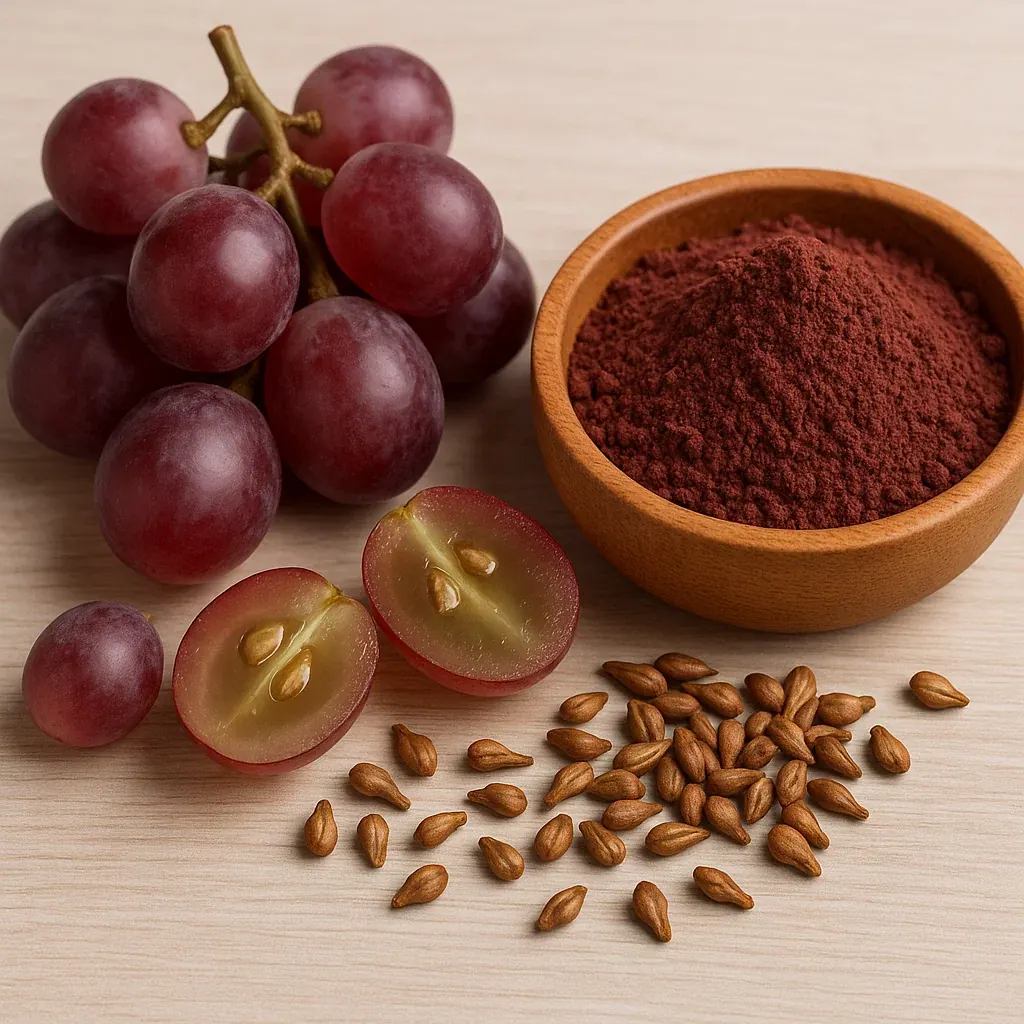
When men research supplements for circulation and healthy ageing, the grape seed extract benefits for men come up again and again — and for good reason. Grape seed extract is one of the most studied plant antioxidants on the shelf, and unlike some trendy ingredients it has a clear, plausible mechanism behind it. This guide keeps the marketing out and walks through what the extract actually is, how its active compounds work, what research suggests, sensible dosage context, and how to read a label so you know what you are really getting.
What is grape seed extract?
Grape seed extract is exactly what it sounds like: a concentrated preparation made from the small seeds left over from winemaking and grape juice production. Those seeds are unusually rich in a family of antioxidant polyphenols called proanthocyanidins, often abbreviated to OPCs (oligomeric proanthocyanidins). It is the OPC content — not the raw weight of ground-up seed — that gives the extract its activity, which is why a good product tells you both the milligram dose and the standardization percentage.
It is worth clearing up a common mix-up straight away. Grape seed extract is not the same as grapeseed oil (a cooking oil pressed from the seeds that does not carry meaningful OPCs), and it is not the same as resveratrol (a different polyphenol concentrated in grape skins, not seeds). All three come from the humble grape, but only the standardized seed extract delivers the OPC profile the research is built on.
How grape seed extract works: the mechanism
The reason grape seed extract sits alongside circulation-support ingredients rather than stimulants comes down to two overlapping actions: antioxidant defence and blood-vessel support.
A powerful antioxidant
Every day, normal metabolism and everyday stressors generate unstable molecules called free radicals. Left unchecked, they contribute to oxidative stress, which over time can wear on tissues including the delicate lining of blood vessels. OPCs are among the more potent plant antioxidants studied, and by helping to neutralise free radicals they may reduce that oxidative burden. This is a supportive, general-wellness action — not a cure for anything — but it is the foundation of most of the extract’s reputation.
Supporting the endothelium and circulation
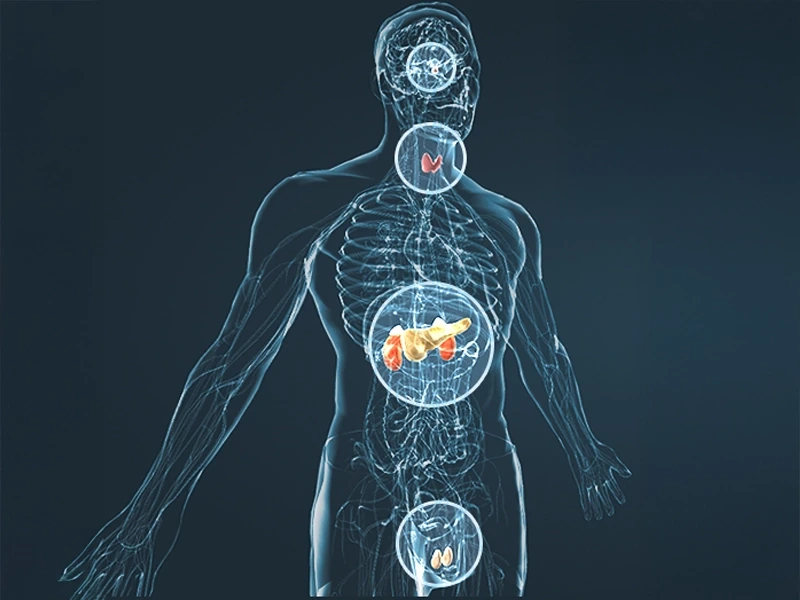
The second mechanism is more specific to why men care about it. The endothelium is the single-cell-thick lining of your arteries and veins, and it is the tissue that produces nitric oxide, the signalling molecule that tells vessels to relax and widen. Healthy endothelial function is central to healthy blood flow. By helping to protect the endothelium from oxidative stress, grape seed extract is thought to support that lining’s ability to do its job. This is why it pairs so naturally with the amino-acid pathway we cover in our guide to how L-arginine works for blood flow and nitric oxide — one supplies raw material for nitric oxide, the other helps protect the machinery that makes it.
Circulation support in one daily gummy
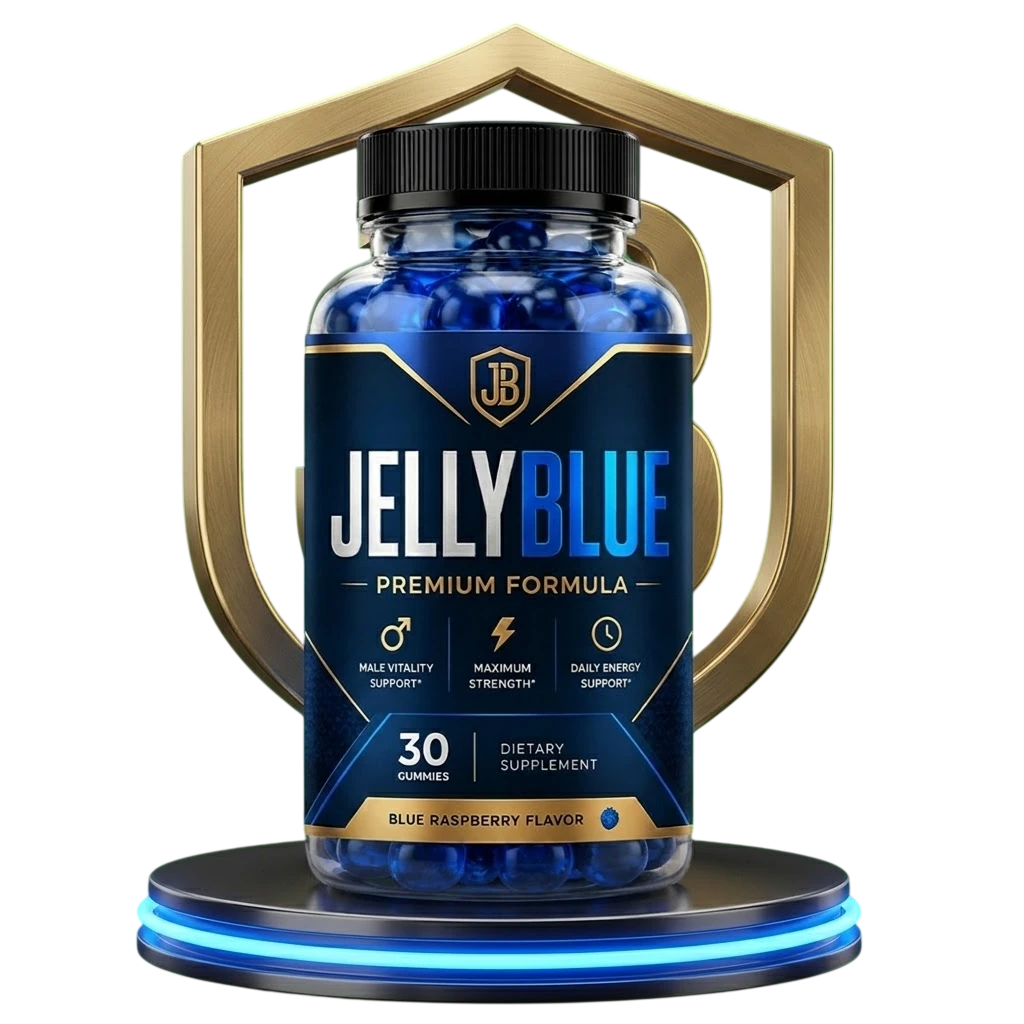
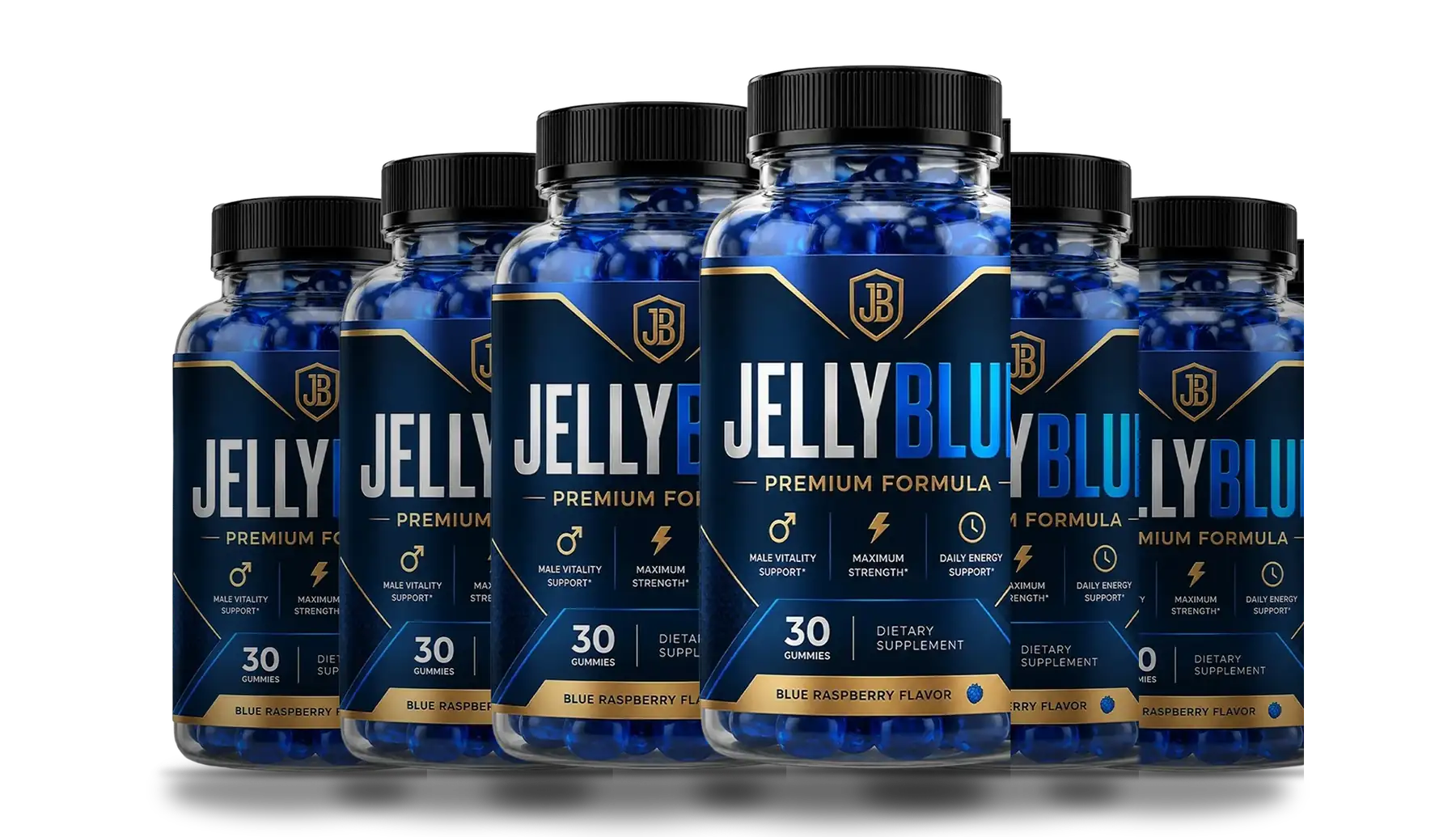
JellyBlue combines standardized grape seed extract with six other named male-vitality actives — including L-Arginine and beet root — in one blue-raspberry gummy a day, with every dose printed on the label and a 60-day guarantee.
See JellyBlue PackagesWhat the research suggests about grape seed extract benefits for men
Supplement pages love to overreach, so it pays to be precise. Human studies on standardized grape seed extract have explored a handful of outcomes often enough to be worth mentioning — always as general wellness observations, never as medical claims:
- ✓ Healthy circulation — trials have examined markers of blood-vessel function and flexibility, particularly in the context of endothelial support.
- ✓ Antioxidant status — studies have measured OPCs’ ability to reduce markers of oxidative stress.
- ✓ Everyday vitality — because circulation underpins energy delivery, healthy blood flow is a recurring theme in men’s-health formulas.
- ✓ Skin and connective tissue — OPCs interact with collagen and elastin, which is why the extract also appears in general antioxidant products.
The honest summary: the evidence for grape seed extract as a circulation-supporting antioxidant is reasonable and growing, but most trials are modest in size and quality varies by extract. Treat it as a supportive ingredient inside a healthy routine, not a switch that flips overnight.
Grape seed extract dosage: how much and how it is standardized
Two numbers matter, and they are the same two that matter for any botanical: the milligrams of extract and the standardization percentage (how concentrated the OPCs are).
- ✓ Common study range: roughly 100–300 mg per day of a standardized extract.
- ✓ Standardization: many researched extracts are standardized to a high percentage of proanthocyanidins (you will often see figures around 90%+ OPCs).
- ✓ Not the same as raw powder: a precise 150 mg standardized extract can deliver far more OPCs than a vague 1,000 mg of ground seed.
The takeaway is that more milligrams is not automatically stronger. This is exactly the kind of detail we unpack in our field guide to reading a male-enhancement supplement label — because a transparent label is the only way to know what you are taking. Always follow the directions on the product you buy, and check with a healthcare professional if you take medication or have a health condition.
Who tends to use it, and safety notes
Grape seed extract is most often used by men who want antioxidant and circulation support as part of general healthy ageing — frequently from their late thirties onward, when supporting cardiovascular wellness becomes more of a priority. If that describes you, our companion piece on boosting male stamina and energy after 40 puts ingredients like this into a wider lifestyle context, and our guide to beetroot, dietary nitrates and nitric oxide covers a complementary, food-based route to circulation support.
On safety: standardized grape seed extract is generally well tolerated at the doses used in research. A few sensible cautions apply. Because OPCs can have a mild effect on how blood behaves, anyone taking blood-thinning or blood-pressure medication should speak with a doctor before adding it. It is intended for adults, not for pregnant or breastfeeding women. As with any supplement, start with the label dose rather than doubling up, and give any botanical several weeks of consistent use before drawing conclusions.
How to choose a quality grape seed extract product
Whether you buy grape seed extract on its own or as part of a men’s formula, the quality checklist is the same:
- ✓ A named, standardized extract — not just “grape seed powder.”
- ✓ A printed milligram dose per serving, ideally in the studied range.
- ✓ A stated OPC / proanthocyanidin percentage so you can judge potency.
- ✓ No opaque “proprietary blend” hiding how much you actually get, and a reputable GMP manufacturing standard.
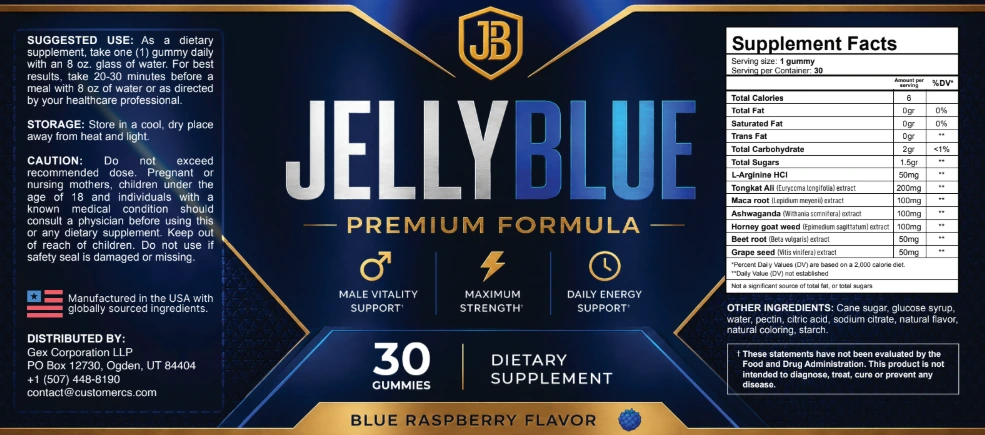
That last point — transparency — is the difference between a product you can evaluate and one you take on faith. It is also the design philosophy behind JellyBlue, which lists grape seed extract alongside Tongkat Ali, Maca, Ashwagandha, Horny Goat Weed, L-Arginine and beet root, with each dose on the label and delivered as one easy daily gummy.
Frequently asked questions
What are the main grape seed extract benefits for men?
Grape seed extract is a concentrated source of antioxidant proanthocyanidins (OPCs). In research it is most associated with supporting healthy circulation, protecting blood vessels from oxidative stress and complementing the body’s own nitric oxide pathways. These are general wellness observations, not treatments for any medical condition, and results vary.
How does grape seed extract work in the body?
Its OPCs are potent antioxidants that help neutralise free radicals and support the endothelium — the thin lining of the blood vessels that produces nitric oxide. By helping protect that lining from oxidative stress, grape seed extract is thought to support healthy blood-vessel function and flexible circulation.
What is a sensible grape seed extract dosage?
Human studies commonly use standardized extracts in the range of roughly 100 to 300 mg per day, standardized to a set percentage of proanthocyanidins. Because concentration varies, read the label for the milligram amount and the standardization percentage rather than assuming more powder is stronger.
Is grape seed extract the same as grapeseed oil or resveratrol?
No. Grape seed extract is a water- or ethanol-based extract rich in proanthocyanidins from the seeds. Grapeseed oil is a cooking oil pressed from the seeds and does not carry the same OPCs. Resveratrol is a different polyphenol found mainly in grape skins. They are related plant compounds but not interchangeable.
Can I take grape seed extract with other vitality ingredients?
It is commonly combined with circulation-supporting ingredients such as L-arginine and dietary nitrates, and with adaptogens like ashwagandha. Because it may mildly affect blood behaviour, anyone on blood-thinning or blood-pressure medication should check with a healthcare professional first, and always follow the label of the finished product.
References
1. Peer-reviewed reviews and clinical trials on grape seed proanthocyanidins (OPCs), antioxidant activity and endothelial function, indexed via NCBI PubMed. 2. National Institutes of Health, Office of Dietary Supplements — general guidance on antioxidant and botanical dietary supplements. 3. Literature on endothelial nitric oxide production and oxidative stress in vascular health. Links to organizations are for identification and do not imply endorsement of this product.
† These statements have not been evaluated by the FDA. This product is not intended to diagnose, treat, cure or prevent any disease. This article is for general information only and is not medical advice.