Fenugreek Benefits for Men: Testosterone, Libido & How It Works
| What it is | An ancient culinary and medicinal seed (Trigonella foenum-graecum) rich in steroidal saponins, fibre and the amino acid 4-hydroxyisoleucine. |
| How it works | Its saponins are studied for supporting free testosterone (by influencing binding and conversion enzymes) plus libido, strength and blood-sugar balance. |
| Typical dose | ~500–600 mg/day of a standardized extract (look for a stated saponin or glycoside percentage). |
| Key nuance | It supports testosterone that is already in the normal range — it is not a treatment for a diagnosed hormone problem. |

Ask a nutritionist about the classic testosterone-support botanicals and fenugreek will nearly always make the list. It has been used for thousands of years across Indian, Middle Eastern and North African kitchens and apothecaries, and in the last two decades it has become one of the most studied herbs in the men’s-vitality aisle. This guide unpacks the real fenugreek benefits for men — what the seed actually contains, the mechanisms behind its reputation for testosterone and libido support, the standardized extracts that appear in the best research, sensible dosage, and where the evidence is genuinely strong versus where it is still developing.
What is fenugreek and what does it contain?
Fenugreek is a small annual plant in the legume family. The part used in supplements is the golden, angular seed, which has a slightly bitter, maple-syrup aroma. Nutritionally the seed is unusually complex, and that complexity is the reason it shows up in so many different contexts — cooking, blood-sugar support, lactation tonics and, more recently, male-vitality formulas.
Three components matter most for men:
- ✓ Steroidal saponins — especially protodioscin and a family of compounds branded as fenusides in some extracts. These are the constituents most associated with the herb’s effects on hormones and libido.
- ✓ 4-hydroxyisoleucine — an unusual amino acid studied for supporting healthy insulin response and blood-sugar balance.
- ✓ Soluble fibre (galactomannan) — the gel-forming fibre behind fenugreek’s traditional digestive and appetite effects.
When a study reports a benefit, it is almost always using a standardized extract concentrated for the saponin fraction — not raw seed powder. That distinction becomes important the moment you start comparing products, and it is the single most common reason two “fenugreek” supplements behave completely differently.
How fenugreek works for testosterone: the mechanism
The headline claim men care about is testosterone. Here the science is genuinely interesting but needs careful framing. Fenugreek is not thought to force the body to manufacture more raw testosterone. Instead, the proposed mechanisms focus on how much of your existing testosterone stays free and active.
Two enzyme pathways are usually cited. First, some research suggests fenugreek saponins may gently modulate aromatase, the enzyme that converts testosterone into oestrogen — slowing that conversion would help preserve testosterone. Second, saponins may influence 5-alpha-reductase, the enzyme that converts testosterone into the more potent androgen DHT. By nudging these conversion steps, fenugreek is proposed to help keep more of your testosterone in circulation rather than being converted away.
Note the framing carefully: this is a supportive, normalising action for men whose levels are already in a healthy range. It is not a way to push hormones above where a healthy body wants them, and it is not a substitute for medical care if you suspect clinically low testosterone. This same “free versus bound” theme runs through much of male-vitality science — you can see it play out with a different botanical in our guide to how Tongkat Ali works and its dosage.
What about libido and sexual vitality?
Fenugreek’s traditional reputation is as much about libido as testosterone, and this is where several of the better human trials have focused. Studies of standardized extracts have measured self-reported sexual desire, satisfaction and general vitality in healthy men, and a number reported meaningful improvements over placebo. The likely mechanism is a combination: a modest effect on free testosterone, the herb’s traditional tonic action, and the saponin protodioscin, which appears repeatedly in libido research. As always, subjective outcomes vary, and diet, sleep, stress and relationship factors all play a role alongside any single ingredient.
Botanical vitality support, made simple
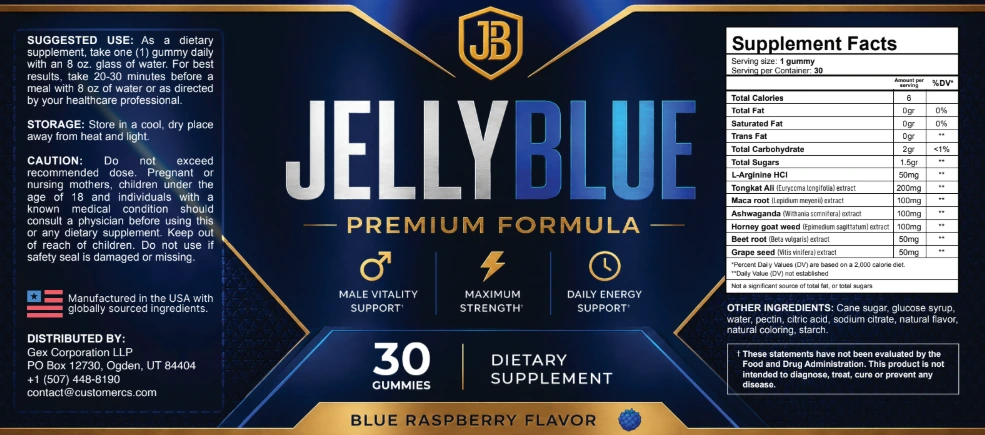
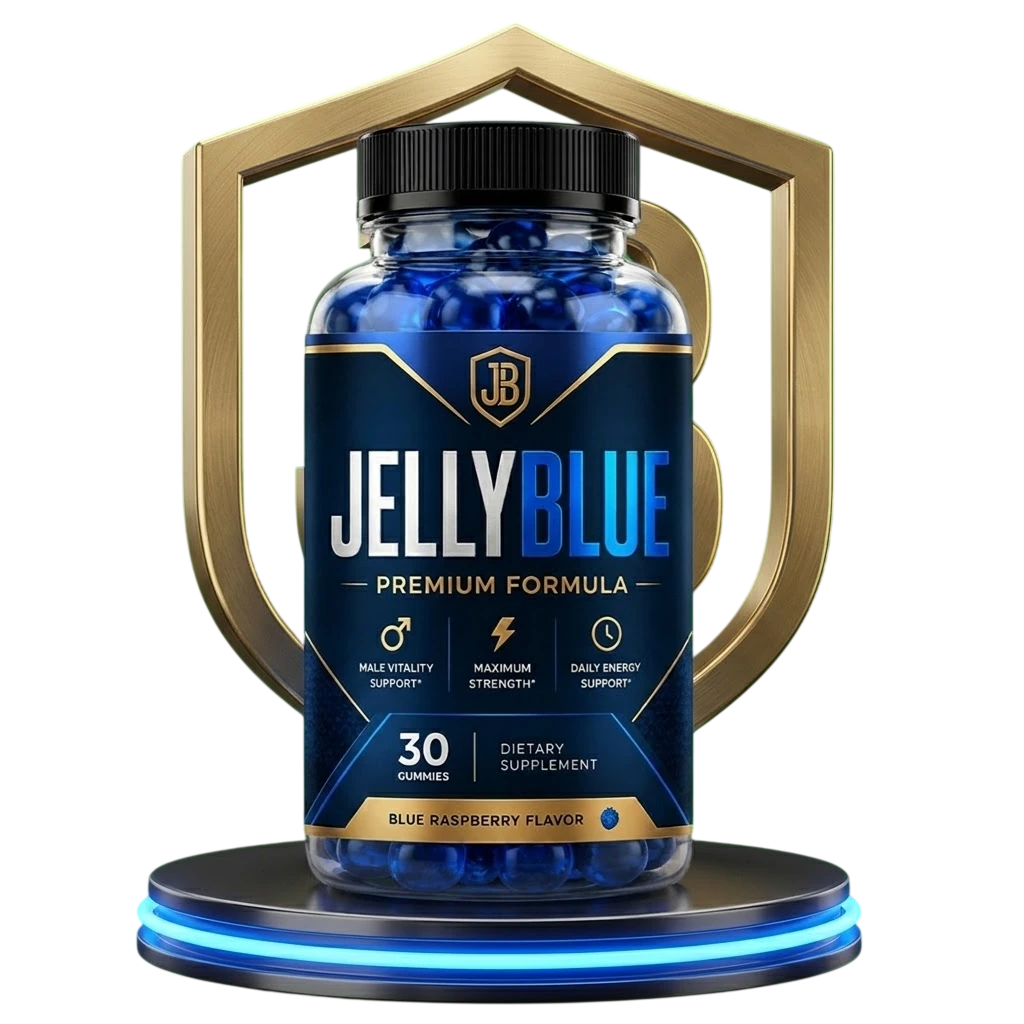
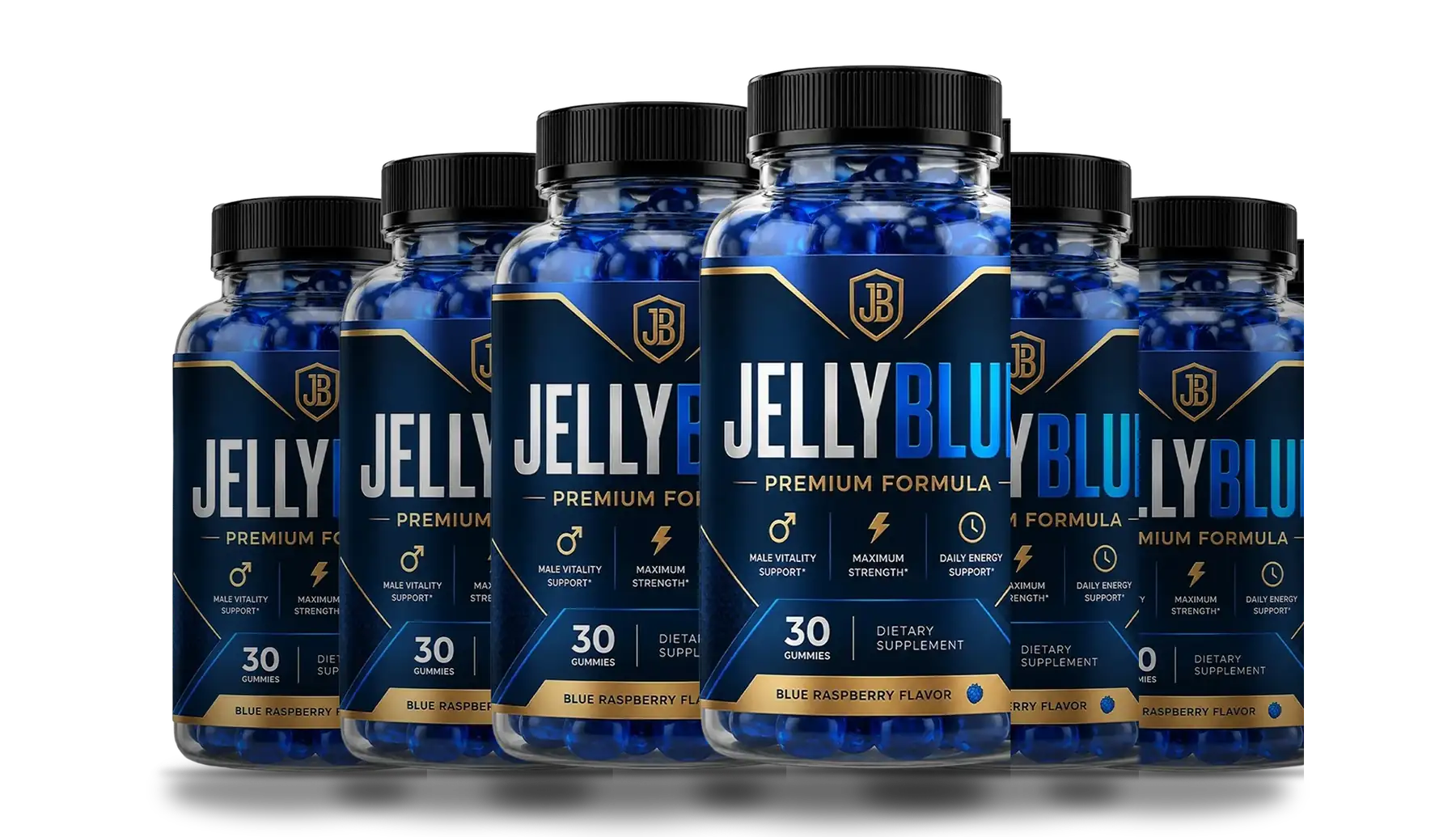
JellyBlue is a once-daily blue-raspberry gummy built around seven named male-vitality actives — Tongkat Ali, Maca, Ashwagandha, Horny Goat Weed, L-Arginine, beet root and grape seed — a convenient way to bring several traditional vitality botanicals into one daily habit. Every dose is printed on the label, backed by a 60-day guarantee.
See JellyBlue PackagesBeyond hormones: fenugreek’s other benefits for men
Fenugreek earns its place in the herbal cabinet for reasons that have nothing to do with the gym. These are the best-supported traditional and researched uses:
- ✓ Blood-sugar balance — the fibre and 4-hydroxyisoleucine are studied for supporting a healthy post-meal glucose response as part of a balanced diet.
- ✓ Strength and body composition — several trials pairing fenugreek with resistance training reported improvements in strength and lean-mass markers versus placebo.
- ✓ Appetite and digestion — the gel-forming fibre supports satiety and healthy digestion, a long-standing culinary use.
- ✓ Everyday vitality — used traditionally as a general tonic for energy and wellbeing.
None of these are disease treatments — they are general-wellness and traditional-use observations. But they explain why fenugreek is such a versatile addition to a man’s routine rather than a one-trick ingredient.
Dosage, standardization and how to read the label
Getting a benefit from fenugreek depends almost entirely on using the right form at the right dose. Here is what the research points to:
- ✓ Standardized extract: most positive human studies use roughly 500–600 mg/day of an extract standardized to a fixed saponin or glycoside percentage. This is the form to look for.
- ✓ Whole seed: culinary and traditional use involves much larger amounts of raw powder (often several grams), because it is far less concentrated.
- ✓ Consistency: hormonal and libido effects in trials build over weeks of daily use, not overnight.
- ✓ The label test: a trustworthy product names the extract and its standardization; a vague “proprietary men’s blend” that hides the fenugreek dose is a red flag.
That last point is worth its own skill. Being able to decode a supplement facts panel — spotting standardization, checking the milligram figure, and seeing through proprietary blends — is exactly what we cover in our field guide to reading a male-enhancement supplement label. And because fenugreek rarely works alone, it also helps to understand how male-vitality ingredients work together in a well-designed formula.
Safety, side effects and who should be cautious
Fenugreek has a long track record as a food, which is reassuring, and most people tolerate standardized extracts well. Still, a few points deserve attention. Some users notice a characteristic maple-like body or urine odour — harmless but distinctive. Because fenugreek can lower blood sugar, anyone managing diabetes or taking glucose-lowering medication should monitor closely and speak with a healthcare professional. It may also mildly affect blood clotting, so it is worth discussing if you take blood thinners or have surgery scheduled. People with allergies to legumes such as peanuts or chickpeas should be cautious, and pregnant women should avoid supplemental doses. As with any active ingredient, the sensible rule is to follow the label and check with a professional if you have a medical condition.
Where fenugreek fits in a modern vitality routine
The smartest way to think about fenugreek is as one supportive tool among several, not a magic bullet. Its strengths — helping preserve free testosterone, supporting libido, and pulling double duty on blood sugar and strength — make it a natural companion to other well-studied actives. Adaptogens such as ashwagandha, which works on the stress response, address a different lever entirely, while circulation-focused ingredients tackle blood flow. Layering complementary mechanisms — rather than doubling up on the same one — is the principle behind a well-built formula like JellyBlue, and it is why the best routines start with the fundamentals of diet, sleep and training before adding targeted botanicals on top.
Frequently asked questions
Does fenugreek raise testosterone in men?
Research on standardized fenugreek extracts suggests they may help support free testosterone that is already in the normal range, partly by influencing enzymes that convert or bind testosterone. This is a supportive, general-wellness effect rather than a treatment for low testosterone, and results vary from person to person.
How does fenugreek work for libido?
Fenugreek is rich in steroidal saponins such as protodioscin, and human studies of standardized extracts have looked at self-reported libido, sexual satisfaction and vitality. The proposed mechanism combines a possible effect on free testosterone with the plant’s traditional use as a vitality tonic. Evidence is promising but still developing.
How much fenugreek should a man take?
Most human studies use a standardized extract at roughly 500 to 600 mg per day, taken once daily and standardized to a fixed percentage of saponins or glycosides. Whole seed powder is used in far larger culinary amounts. Follow the product label and speak with a healthcare professional if you take medication.
Are there side effects to fenugreek?
Fenugreek is widely used as a food and is generally well tolerated. Some people notice a maple-like body odour, mild digestive upset, or a lowering of blood sugar. Because it can affect blood sugar and may interact with blood thinners, anyone on medication or with a medical condition should check with a healthcare professional first.
How long does fenugreek take to work?
In trials, effects on libido, vitality and strength markers typically emerged over several weeks of daily use, commonly around six to eight weeks. Fenugreek is not an acute, same-day ingredient, so consistency matters more than a single dose.
Can I just cook with fenugreek instead of taking a supplement?
Culinary fenugreek is nutritious and traditional, but the researched hormonal and libido benefits come from concentrated, standardized extracts. Cooking uses the whole seed at much lower saponin concentrations, so it is great for flavour and fibre but is not the same as the studied extract dose.
References
1. Peer-reviewed human trials on standardized fenugreek extracts, free testosterone, libido and strength, indexed via NCBI PubMed. 2. Reviews of Trigonella foenum-graecum phytochemistry, including saponins such as protodioscin and 4-hydroxyisoleucine. 3. National Institutes of Health, Office of Dietary Supplements — general guidance on botanical supplements and safety. Statements describe traditional or general use; individual results vary. Links to organizations are for identification and do not imply endorsement of this product.
† These statements have not been evaluated by the FDA. This product is not intended to diagnose, treat, cure or prevent any disease. This article is for general information only and is not medical advice.