Maca Root vs Horny Goat Weed: Benefits & Differences
| Maca root | A Peruvian food-root (Lepidium meyenii); works via macamides — energy, mood and libido, without acting on hormones. |
| Horny goat weed | An Epimedium botanical; works via the flavonoid icariin, studied in the context of circulation and nitric oxide. |
| Key difference | Maca is a nutritive adaptogen-style food; horny goat weed is a circulation-leaning extract. |
| Together? | Yes — different mechanisms, so they’re commonly paired in men’s formulas. |
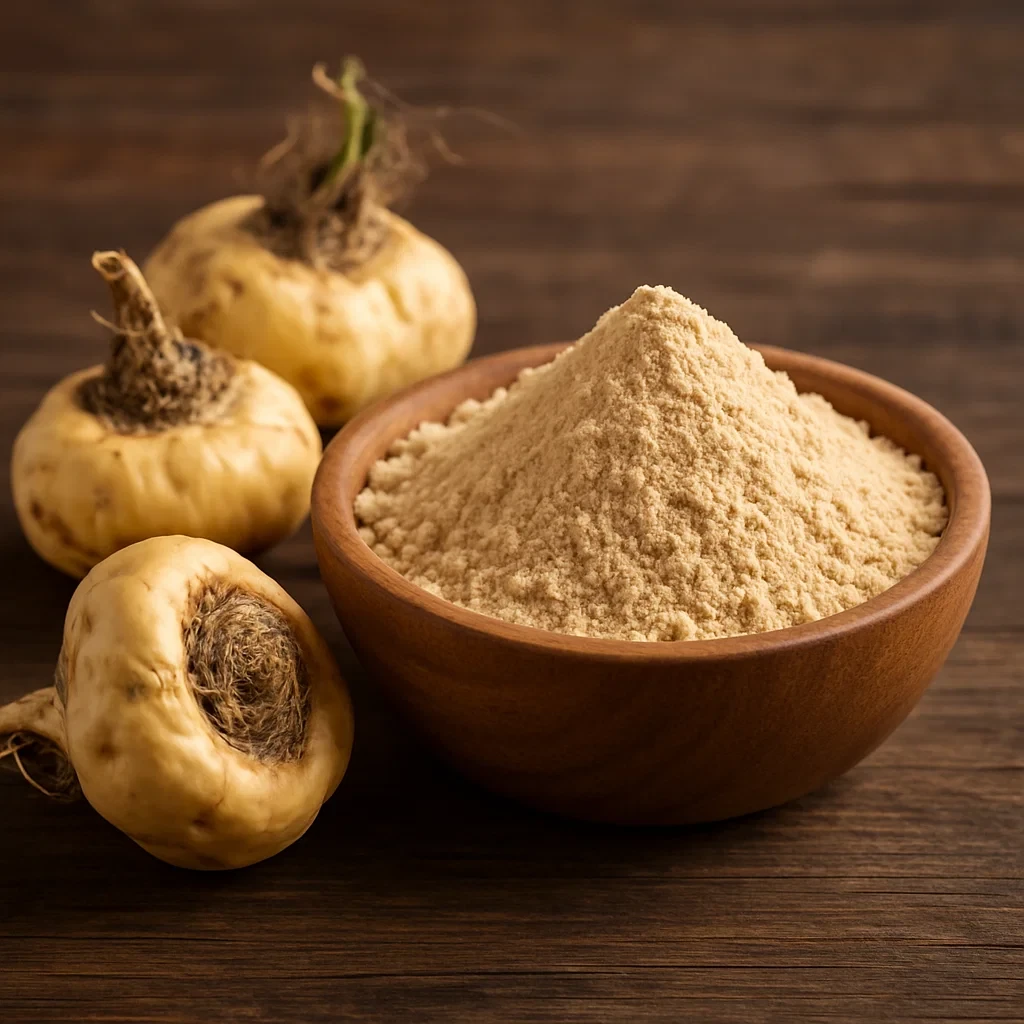
Two botanicals dominate the conversation about natural male vitality, and they’re constantly mistaken for interchangeable: maca root vs horny goat weed. They aren’t the same at all. They come from opposite sides of the planet, contain completely different active compounds, and support vitality through distinct mechanisms. Understanding the difference is the fastest way to know which one fits your goal — or why the smartest formulas simply include both. This guide breaks down each ingredient, how it works, the benefits men look for, and sensible dosage context.
Maca root: the nutritive vitality food
Maca (Lepidium meyenii) is a cruciferous root vegetable grown high in the Peruvian Andes, where it has been eaten for centuries as both a food and a tonic. Because it grows in a punishing, high-altitude environment, it’s often described as a hardy, resilience-building plant — and men use it primarily for energy, stamina, mood and libido.
How maca works
Here’s the crucial point for the maca-versus-horny-goat-weed question: maca does not appear to work by altering hormone levels. Studies generally find it doesn’t change testosterone or estrogen. Instead, its effects are attributed to unique compounds called macamides and macaenes, along with a rich nutritional profile of amino acids, minerals and glucosinolates. In other words, maca behaves more like a nourishing, adaptogen-style food that supports overall vitality and libido through non-hormonal routes — which is part of why it has such a gentle, well-tolerated reputation. It also comes in colour varieties (yellow, red and black), with black maca often highlighted in research on energy and stamina in men.
Why choose when you can have both?
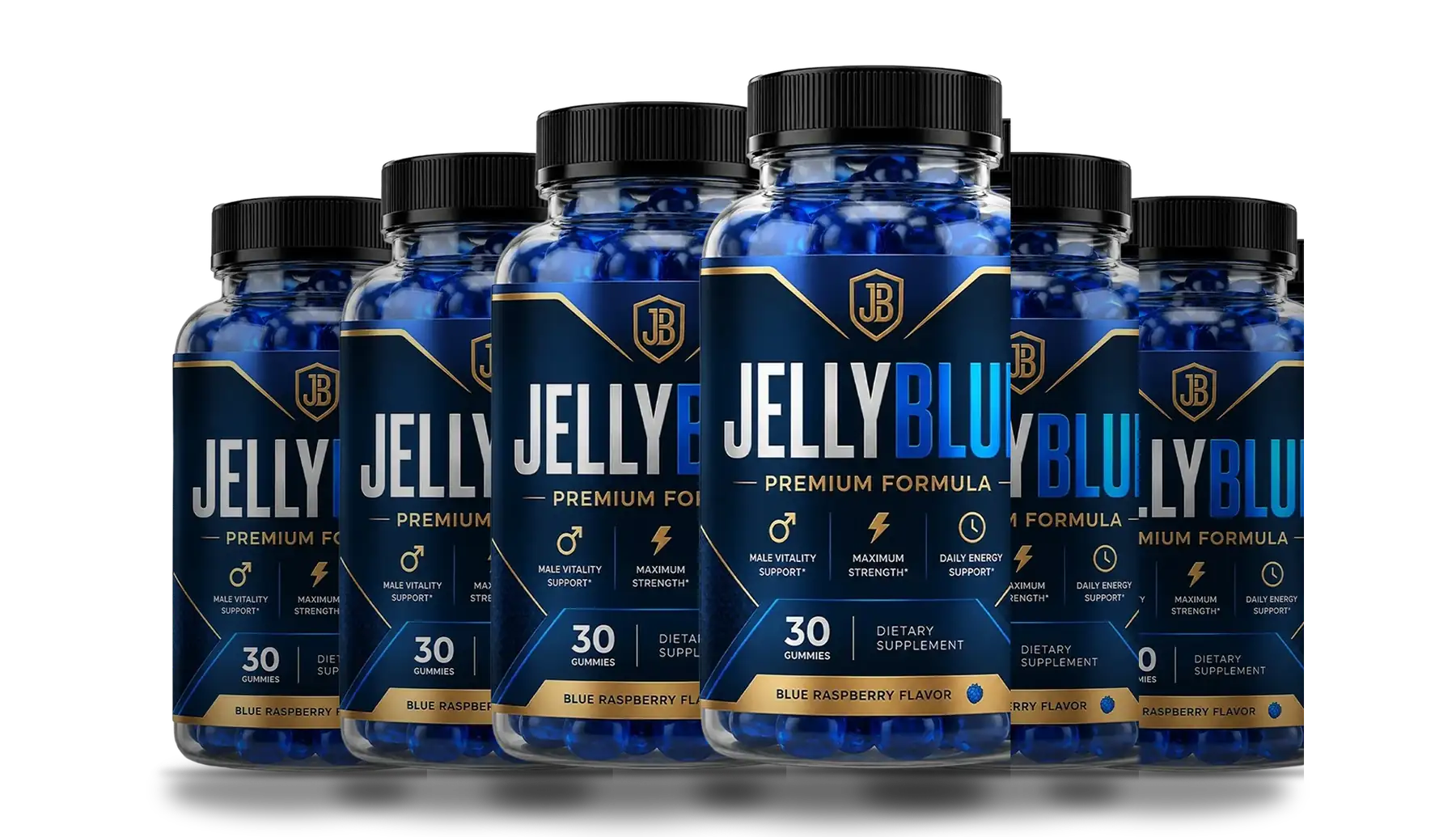
JellyBlue includes both Maca and Horny Goat Weed alongside five other named actives in one blue-raspberry gummy a day — doses on the label, backed by a 60-day guarantee.
See JellyBlue PackagesHorny goat weed: the circulation-leaning botanical
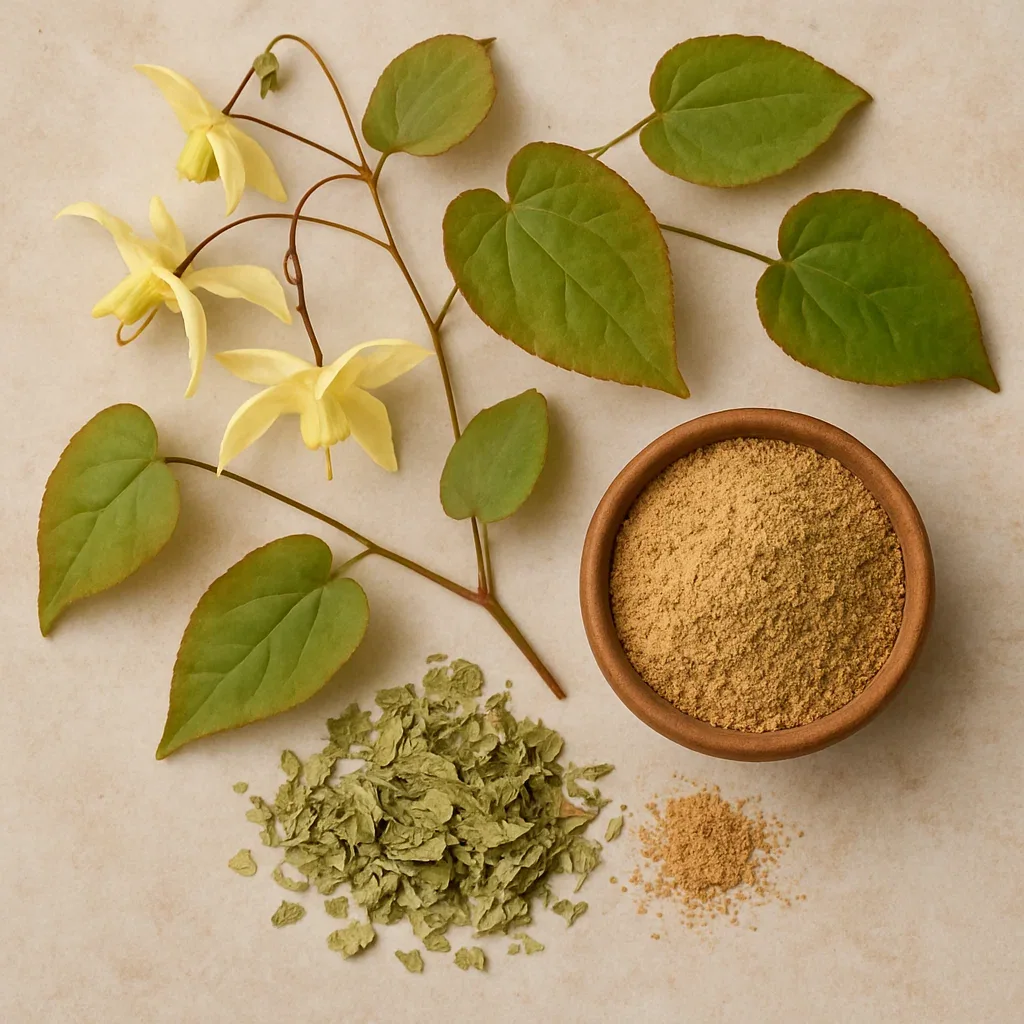
Horny goat weed is the common name for plants in the Epimedium genus, used in traditional Chinese practice for centuries. The name comes from a memorable (and probably apocryphal) tale about a goat herder noticing friskier livestock — but the reason it’s in modern men’s formulas is more scientific than folkloric.
How horny goat weed works
Its key active is a flavonoid called icariin. Icariin is studied in the context of the same nitric-oxide, blood-flow pathway we cover in our guide to how L-Arginine works for blood flow. In laboratory research, icariin has been investigated for its interaction with an enzyme called PDE5 — the same enzyme family targeted by well-known circulation-supporting approaches — which is why horny goat weed is framed as a circulation-leaning botanical rather than a hormonal or purely nutritive one. Quality extracts are standardized to a stated icariin percentage, which is the number that actually tells you the strength.
Maca root vs horny goat weed: side by side
Here’s the comparison distilled:
- ✓ Origin: Maca — Peruvian Andes root/food. Horny goat weed — Asian Epimedium herb.
- ✓ Active compounds: Maca — macamides and macaenes. Horny goat weed — the flavonoid icariin.
- ✓ Main mechanism: Maca — nutritive, non-hormonal vitality and mood. Horny goat weed — circulation and the nitric-oxide pathway.
- ✓ Best-known-for: Maca — energy, stamina, mood, libido. Horny goat weed — blood-flow-related performance support.
- ✓ Feel: Maca — gentle, food-like, non-stimulating. Horny goat weed — more targeted, extract-driven.
The takeaway: they aren’t competitors so much as teammates. Maca handles the nourishing, energy-and-mood foundation; horny goat weed adds a circulation-focused angle. That’s exactly why you’ll see them together on well-designed labels, often alongside Tongkat Ali for the hormone-balance side.
A quick note on maca’s colours
One detail that trips up buyers is that maca comes in three main colours — yellow, red and black — and they aren’t interchangeable. Yellow is the most common and the everyday all-rounder. Red maca is the variety most often studied in the context of prostate and mood support. Black maca is the one most frequently highlighted in research on energy, stamina and male reproductive parameters, which is why it’s often the preferred colour in men’s vitality products. A “gelatinized” maca simply means the starch has been removed to make it easier to digest — a processing detail, not a strength claim. If a label specifies the colour and the form, that’s a sign the maker actually understands the ingredient.
The mistake most buyers make
The single biggest error is comparing these two by milligrams alone. Because maca is a food-grade root used in gram amounts and horny goat weed is a concentrated extract used in much smaller, standardized amounts, a bottle boasting “1,000 mg maca” is not automatically stronger or better value than one listing a precisely standardized icariin extract. The two numbers measure completely different things. The only fair way to compare is to look at the form, the standardization, and whether the dose reflects how each ingredient is actually studied — the exact skill we walk through in our guide to reading a supplement label.
Dosage context for each
Because these are different kinds of ingredient, their dosing looks different:
- ✓ Maca: commonly used around 1.5–3 grams per day of root powder, or a smaller amount of a concentrated extract standardized to that equivalent. It’s a food-grade ingredient, which is why the amounts are larger.
- ✓ Horny goat weed: used as an extract standardized to icariin (you’ll see percentages like 10% or higher). Because it’s concentrated, the milligram number is smaller but the standardization is what matters.
This is precisely why label literacy matters so much with these two — a raw maca powder and an icariin-standardized extract can’t be compared by milligrams alone. Our guide to reading a male-enhancement supplement label shows you how to compare like with like.
Which should you choose?
If you had to pick one: choose maca if your priority is gentle, everyday energy, mood and libido support with a food-like ingredient. Choose horny goat weed if your interest is more specifically circulation and blood-flow-related performance. But for most men chasing all-round vitality, the honest answer is that you don’t have to choose — combining them (and stacking with circulation and stress support) covers more bases than either alone. For where these fit in a wider routine, see our overview of boosting male stamina and energy after 40.
Safety notes
Both are generally well tolerated in typical amounts. Maca is food-grade and mild, though a few people notice digestive changes at higher doses. Horny goat weed, because of its circulation-related activity, should be used carefully alongside blood-pressure or heart medications and nitrates, and anyone with a heart condition should check with a doctor first. Neither is intended for pregnant or breastfeeding women, and neither is a treatment for any medical condition. As always, follow the product label and speak to a healthcare professional if you’re unsure.
Frequently asked questions
What is the difference between maca root and horny goat weed?
Maca root (Lepidium meyenii) is a nutrient-dense Peruvian root traditionally used as an energizing food for stamina, mood and libido, working through compounds called macamides rather than hormones. Horny goat weed (Epimedium) works differently, via a flavonoid called icariin that is studied in the context of circulation and the nitric oxide pathway.
Which is better for men, maca or horny goat weed?
Neither is universally better; they target different angles. Maca leans toward energy, mood and libido without acting on hormones, while horny goat weed leans toward circulation via icariin. Many formulas include both so the angles complement each other.
What is a typical dosage for each?
Maca is often used around 1.5 to 3 grams per day of root powder or a concentrated extract equivalent. Horny goat weed is typically used as an extract standardized to icariin. Because concentrations vary, always follow the product label.
Can you take maca and horny goat weed together?
Yes, they are commonly combined because they support vitality through different mechanisms. As with any supplement, follow the label and consult a healthcare professional if you take medication or have a health condition.
Does maca raise testosterone?
Research generally finds maca does not change testosterone or estrogen levels. Its benefits are attributed to non-hormonal compounds (macamides) and its nutritional profile, which is part of why it is considered gentle and well tolerated.
References
1. Peer-reviewed reviews on Lepidium meyenii (maca), macamides, energy and libido, indexed via NCBI PubMed. 2. Research on Epimedium (horny goat weed), icariin and the nitric-oxide / PDE5 pathway in the scientific literature. 3. National Institutes of Health, Office of Dietary Supplements — general guidance on botanical dietary supplements. Links to organizations are for identification and do not imply endorsement of this product.
† These statements have not been evaluated by the FDA. This product is not intended to diagnose, treat, cure or prevent any disease. This article is for general information only and is not medical advice.