Vitamin D and Testosterone: How the Sunshine Vitamin Helps Men
| What it is | A fat-soluble nutrient that acts more like a hormone; the skin makes it from sunlight, and it’s also found in a few foods. |
| The link | Vitamin D receptors sit in the tissues that make testosterone, so deficiency is associated with lower levels — and correcting it may help. |
| Typical dose | ~600–800 IU (15–20 mcg)/day general guidance; deficient men often use more under supervision, guided by a blood test. |
| Key nuance | Fixing a shortfall helps; adding more when you’re already sufficient usually doesn’t — and it can accumulate. |

Few nutrients get as much attention in men’s health as this one, and the phrase vitamin D and testosterone is searched constantly — for good reason. Vitamin D is unusual: it is technically a vitamin, but the body turns it into something that behaves like a hormone, and it interacts directly with the tissues that produce testosterone. This guide explains what vitamin D actually is, the mechanism behind the testosterone link, what research does and does not support, sensible dosage, and how to get enough from sun, food and supplements.
Why vitamin D is really a hormone
Most vitamins are simply cofactors your body uses and moves on from. Vitamin D is different. When sunlight (specifically UVB) hits the skin, it triggers the production of vitamin D, which the liver and kidneys then convert into an active form called calcitriol. That active form binds to vitamin D receptors found throughout the body — and crucially for this topic, those receptors exist in the testes and other reproductive tissues. A molecule that is produced in one place, travels through the blood, and acts on receptors elsewhere is, by definition, acting like a hormone. That is the root of the entire vitamin D and testosterone story.
It also explains why deficiency is so common and so relevant. Modern indoor life, higher latitudes, darker skin tones, older age and diligent sunscreen use all reduce how much vitamin D the skin makes. Winter alone can pull many men below the sufficiency line without them noticing.
How vitamin D supports testosterone: the mechanism
Because vitamin D receptors sit in the cells responsible for testosterone production, researchers have long explored whether vitamin D status influences testosterone. The most consistent finding is a correlation with deficiency: men who are low in vitamin D tend, on average, to have lower testosterone, and several studies suggest that correcting a deficiency can support a return toward healthier levels.
As with minerals, the framing matters enormously. The benefit is tied to fixing a shortfall, not to loading up beyond sufficiency. In men who already have healthy vitamin D, adding more has not been shown to push testosterone higher, and vitamin D is fat-soluble, so excess accumulates rather than washing out. This is a normalising, supportive relationship — not a treatment for a diagnosed hormone condition, which is a matter for a doctor.
Beyond hormones: the vitality connection
Vitamin D’s reach goes well past testosterone. It supports bone strength, healthy muscle function and normal immune activity — all of which underpin the broader sense of energy and capability men mean when they talk about vitality. So even setting the hormone question aside, sufficiency is a sensible baseline. If you are thinking about the bigger picture, our guide to boosting male stamina and energy after 40 places nutrients like this into the wider routine of sleep, training and stress management.

Botanical vitality support to layer on top
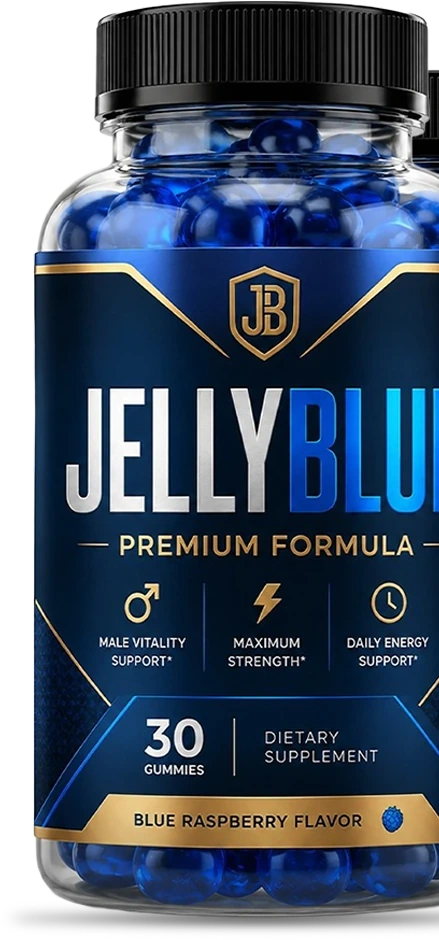
JellyBlue is a once-daily blue-raspberry gummy with seven named male-vitality actives — Tongkat Ali, Maca, Ashwagandha, Horny Goat Weed, L-Arginine, beet root and grape seed — a convenient complement to good nutrition and healthy vitamin D. Every dose is printed on the label, backed by a 60-day guarantee.
See JellyBlue PackagesWhat the research suggests about vitamin D and testosterone
Keeping the claims honest, the human evidence most consistently supports the following — all as general wellness observations, not medical claims:
- ✓ Deficiency correlates with lower testosterone — observational studies repeatedly find this association in men.
- ✓ Correcting deficiency may help — some trials in deficient men report healthier testosterone after restoring vitamin D.
- ✓ Little effect when already sufficient — men with healthy levels generally do not see a further rise.
- ✓ Broad vitality support — bone, muscle and immune function all depend on adequate vitamin D.
The honest summary: vitamin D is worth getting right because deficiency is common and genuinely matters, but it is not a testosterone booster for men who are already sufficient. The only way to know where you stand is a simple blood test.
Dosage, sun and food sources
Vitamin D is measured in International Units (IU) or micrograms (mcg), and because it is fat-soluble it deserves respect — more is not automatically better.
- ✓ General guidance: around 600–800 IU (15–20 mcg) per day for most adults; deficient men often use more, but ideally under supervision.
- ✓ Sun: short, sensible midday exposure helps the skin produce vitamin D — but avoid burning, and remember season and latitude drastically change the maths.
- ✓ Food: fatty fish (salmon, mackerel, sardines), egg yolks and fortified foods are among the few dietary sources.
- ✓ Form: vitamin D3 (cholecalciferol) is the form most studies use and the body’s natural form.
Because vitamin D can accumulate, the number on the label matters — the same principle we cover in our guide to reading a male-enhancement supplement label. Vitamin D also works alongside other micronutrients; our companion guide to zinc and magnesium for testosterone covers minerals with a similar deficiency story. Get a blood test to guide your dose, follow the product directions, and talk to a healthcare professional before taking high amounts, especially if you have kidney issues or take medication.
Where vitamin D fits alongside botanicals
Think of vitamin D as a foundation, not a feature. You want to be sufficient in it, the way you want to be sufficient in zinc, magnesium and protein. Botanicals like ashwagandha and Tongkat Ali are used differently — studied for supporting the stress response and hormone balance on top of an already solid nutritional base. The best-built routines fix the foundations first, then add targeted actives for a specific goal. That is exactly the role JellyBlue is designed to play: seven named botanical and amino-acid actives that complement, rather than replace, good nutrition and healthy vitamin D.
Frequently asked questions
Does vitamin D increase testosterone?
Vitamin D behaves more like a hormone than a typical vitamin, and receptors for it are found in the tissues that make testosterone. Studies suggest men who are deficient may see healthier testosterone after correcting their vitamin D, while men who are already sufficient tend to see little change. These are general wellness observations, not a treatment for low testosterone.
How does vitamin D affect testosterone?
Vitamin D is converted into an active hormone-like form, and vitamin D receptors sit in the testes and other reproductive tissues. This is why researchers explore a link between vitamin D status and healthy testosterone. It also supports bone, muscle and immune function, all relevant to overall male vitality.
How much vitamin D should men take?
General adult guidance is around 600–800 IU (15–20 mcg) per day, though many people who are deficient use more under guidance. Vitamin D is fat-soluble and can accumulate, so it has an upper limit; a blood test is the only way to know your level. Read the label and speak with a healthcare professional before high doses.
Is it better to get vitamin D from sun or supplements?
Sensible sun exposure lets the skin make vitamin D, but season, latitude, skin tone, age and sunscreen all reduce it, and sunburn carries its own risks. Food sources are limited. For many men, especially in winter, a supplement is a practical way to maintain sufficiency; testing helps you dose sensibly.
Should I take vitamin D3 or D2?
Vitamin D3 (cholecalciferol) is the form the body makes from sunlight and the form used in most research; it tends to raise and maintain blood levels effectively. D2 (ergocalciferol) is plant-derived and also used, but D3 is the more common choice. Follow the label of the product you choose.
References
1. National Institutes of Health, Office of Dietary Supplements — Vitamin D fact sheet, including recommended intakes and upper limits. 2. Peer-reviewed studies on vitamin D status, vitamin D receptors and testosterone in men, indexed via NCBI PubMed. 3. Literature on vitamin D synthesis, bone and muscle health. Recommended intakes reflect general adult guidance; individual needs vary. Links to organizations are for identification and do not imply endorsement of this product.
† These statements have not been evaluated by the FDA. This product is not intended to diagnose, treat, cure or prevent any disease. This article is for general information only and is not medical advice.