Zinc and Magnesium for Testosterone: How Minerals Support Men
| What they are | Two essential minerals the body needs for normal hormone function, muscle, sleep and energy metabolism. |
| How they work | Zinc is a cofactor for enzymes in testosterone signalling; magnesium may support free (unbound) testosterone and helps with sleep and recovery. |
| Typical target | ~11 mg zinc and ~400–420 mg magnesium per day from all sources; don’t routinely exceed ~40 mg/day supplemental zinc. |
| Key nuance | Fixing a shortfall helps; piling on more when you’re already sufficient usually doesn’t. |

Search almost any men’s-health forum and you will find heated debate about zinc and magnesium for testosterone. These two minerals sit at the centre of the conversation because, unlike many exotic botanicals, they are genuinely essential — your body cannot make healthy hormones without them. This guide keeps the hype out and explains what zinc and magnesium actually do, the mechanisms behind their reputation, what the research really supports, sensible dosage and food sources, and how to read a label so you are not overpaying for numbers that do not help.
Why zinc and magnesium matter for men
Zinc and magnesium are what nutritionists call essential minerals: nutrients your body must obtain from food because it cannot produce them. Both are involved in hundreds of enzyme reactions, and both are used up faster during stress, heavy training and heavy sweating — which is exactly why active men and older men are more likely to run low. When a genuine shortfall exists, correcting it can help several systems return to normal, and healthy testosterone is one of them.
The single most important idea to hold on to is this: these minerals are about reaching sufficiency, not overshooting it. In people who are deficient, restoring normal levels can support healthy testosterone. In people who are already well supplied, taking more will not push hormones above the normal range. Understanding that distinction protects you from both disappointment and wasted money.
How zinc supports testosterone: the mechanism
Zinc is a workhorse mineral for male hormone health. It acts as a cofactor — a helper molecule — for many enzymes, including some involved in the hormonal signalling cascade that supports testosterone production in the testes. Zinc is also concentrated in the prostate and is important for normal sperm function. When zinc status drops too low, that signalling can suffer, and studies in zinc-deficient men have shown that restoring zinc supports a return toward healthy testosterone levels.
Note the framing carefully: the benefit is tied to correcting a deficiency. This is a supportive, normalising action, not a way to force levels above where a healthy body wants them, and it is not a treatment for a diagnosed hormone disorder. Anyone concerned about clinically low testosterone should see a doctor rather than self-treating with minerals.
How magnesium fits in
Magnesium works differently. Research suggests it may influence the balance between free and bound testosterone — most testosterone in the blood is bound to a carrier protein and is not immediately available to tissues, and only the free fraction is active. Some studies indicate magnesium may help support the free fraction, particularly in people who exercise. Just as important, magnesium is deeply involved in sleep quality and muscle function, and since deep sleep is when much of a man’s testosterone is produced, supporting sleep is an indirect but very real way minerals feed into hormone health.
Botanical vitality support, made simple
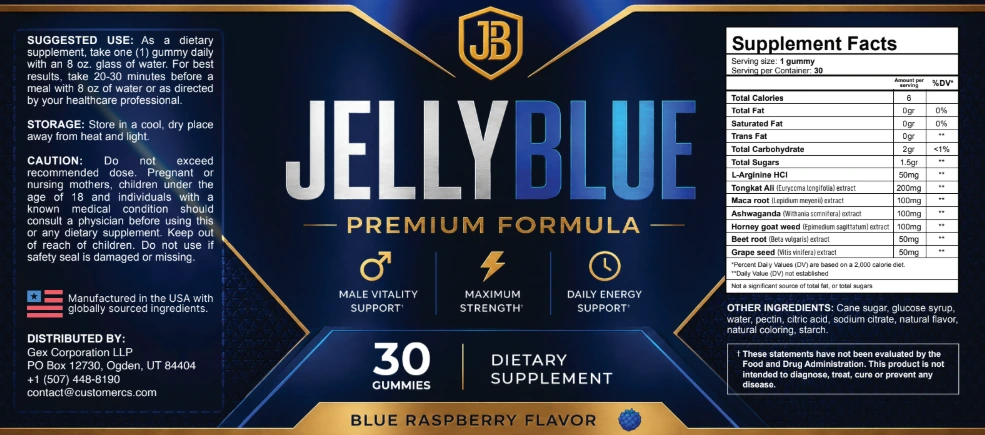
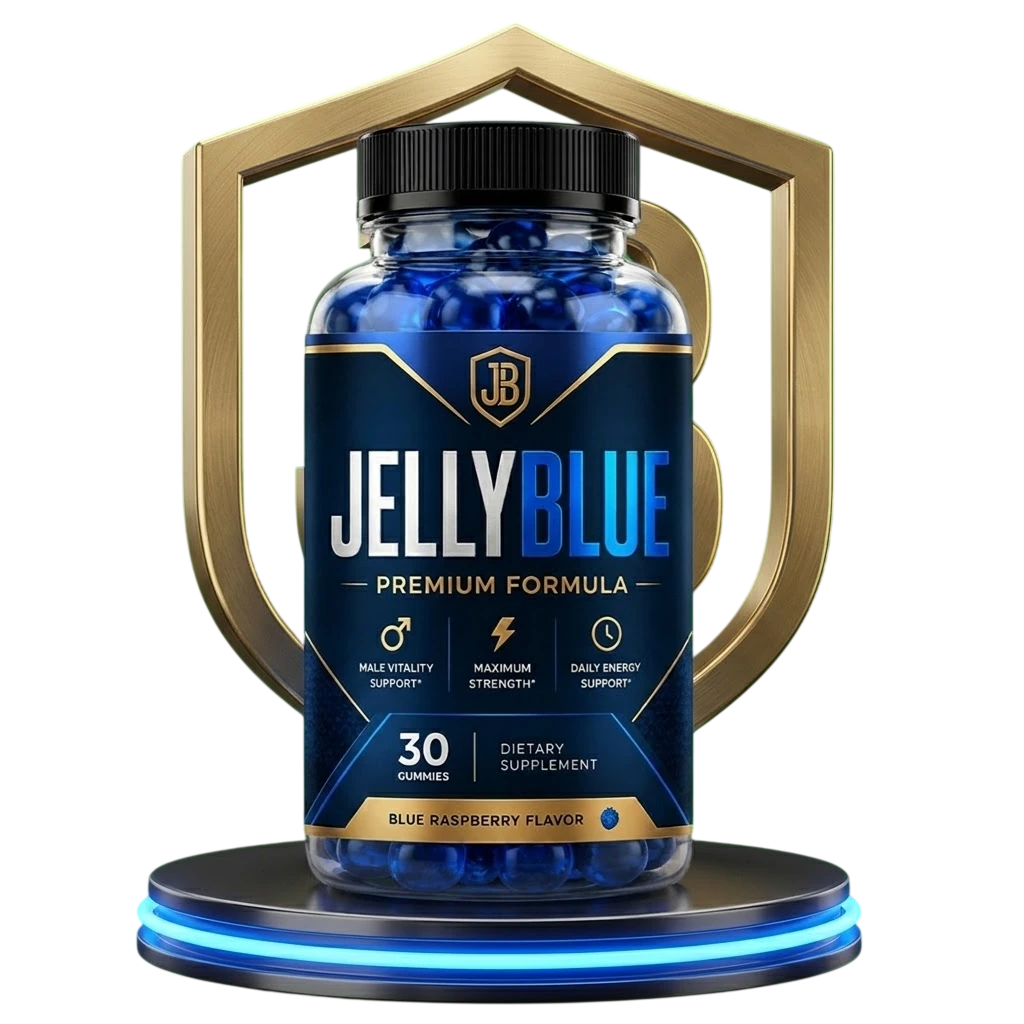
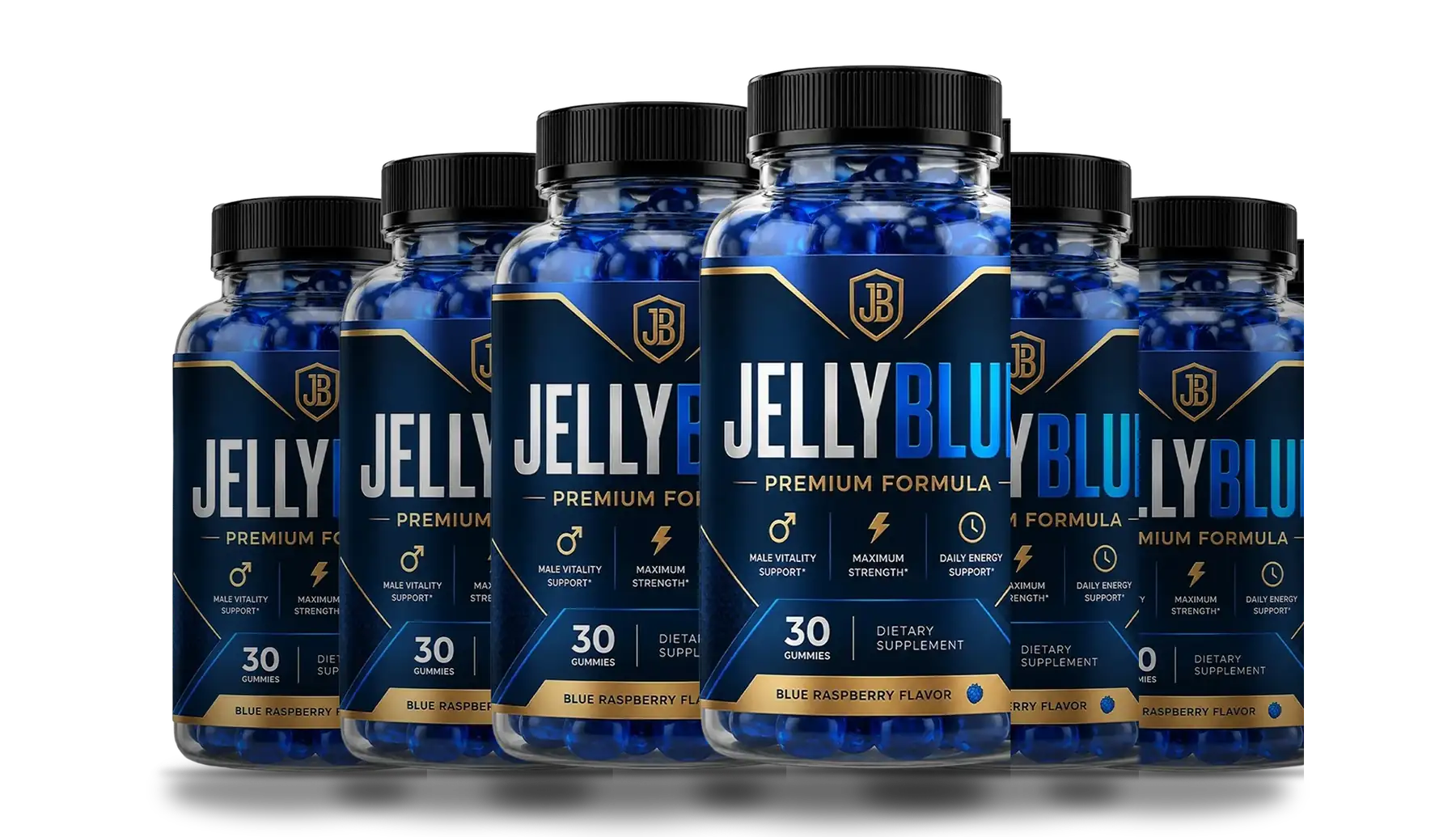
JellyBlue is a once-daily blue-raspberry gummy with seven named male-vitality actives — Tongkat Ali, Maca, Ashwagandha, Horny Goat Weed, L-Arginine, beet root and grape seed — a convenient complement to a mineral-rich diet. Every dose is printed on the label, backed by a 60-day guarantee.
See JellyBlue PackagesWhat the research suggests about zinc and magnesium for testosterone
Being precise here matters, because this is one of the most over-hyped corners of the supplement aisle. Human research most consistently supports the following — all as general wellness observations, not medical claims:
- ✓ Correcting deficiency — in men who are genuinely low, restoring zinc or magnesium supports a return toward healthy testosterone.
- ✓ Free-testosterone support — some magnesium studies, especially in active people, examine the free (unbound) fraction.
- ✓ Sleep and recovery — magnesium is well studied for supporting sleep quality and muscle relaxation.
- ✓ Everyday energy metabolism — both minerals are cofactors in how the body produces usable energy.
The honest summary: if you are low, these minerals can genuinely help; if you are already sufficient, do not expect a hormone surge. That nuance is why a balanced stamina-and-energy routine after 40 starts with diet, sleep and training before any single pill.
Dosage, upper limits and food sources
With minerals, more is emphatically not better — and zinc in particular has a real ceiling.
- ✓ Zinc: adult target around 11 mg/day from all sources; the tolerable upper limit is about 40 mg/day. Chronic high-dose zinc can interfere with copper absorption.
- ✓ Magnesium: adult target around 400–420 mg/day from all sources. High supplemental doses can cause a laxative effect, so gentler forms (like citrate or glycinate) are popular.
- ✓ Count your food: oysters, red meat, poultry, pumpkin seeds and legumes supply zinc; leafy greens, nuts, seeds, beans and whole grains supply magnesium.
Because supplements stack on top of what you already eat, the milligram figure on the label matters a lot — which is exactly the skill we teach in our guide to reading a male-enhancement supplement label. Look for the elemental milligrams (the actual mineral, not the weight of the compound) and follow the product directions. If you take medication or have kidney issues, talk to a healthcare professional before supplementing magnesium.
Minerals vs botanicals: where each fits
It helps to see minerals and botanicals as different tools. Zinc and magnesium are foundational nutrients — you want to be sufficient in them, full stop. Botanicals like Tongkat Ali and Ashwagandha are used differently: they are studied for supporting hormone balance and the stress response on top of an already adequate diet. If you want the mechanism behind those, see our guides to Tongkat Ali and how it supports free testosterone, and to vitamin D and testosterone, another nutrient with a real deficiency story. The smartest routines cover the nutrient basics first, then add targeted botanicals.
That layered thinking is the philosophy behind JellyBlue, which focuses on seven named botanical and amino-acid actives designed to complement — not replace — a healthy, mineral-rich diet.
Frequently asked questions
Do zinc and magnesium boost testosterone?
Zinc and magnesium are essential minerals the body needs for normal hormone function. Research suggests that correcting a deficiency can help support healthy testosterone, but topping up when you are already sufficient is unlikely to push levels higher. These are general wellness observations, not a treatment for low testosterone, and results vary.
How do zinc and magnesium support testosterone?
Zinc is a cofactor for enzymes involved in the hormonal signalling that supports testosterone production, and magnesium may influence how much testosterone stays free rather than bound to a carrier protein. Magnesium also supports sleep and muscle function, both of which matter for healthy hormone balance.
How much zinc and magnesium should men take?
Typical adult targets are around 11 mg of zinc and 400–420 mg of magnesium per day from all sources, food included. Supplements should not routinely exceed the tolerable upper limit for zinc (about 40 mg/day). Read the label, count food sources, and speak with a healthcare professional before high doses.
What is ZMA and does it work?
ZMA is a popular combination of zinc, magnesium and vitamin B6. It may help people who are low in these nutrients and is often used to support sleep and recovery. Evidence for raising testosterone in men who are already sufficient is limited, so treat it as nutritional insurance rather than a hormone booster.
Can I take zinc and magnesium together?
Yes, they are commonly taken together, though some people prefer to take zinc away from very high-calcium meals for absorption. Magnesium is often taken in the evening because it can support sleep. As always, follow the label and avoid stacking multiple products that each contain the same mineral.
References
1. National Institutes of Health, Office of Dietary Supplements — fact sheets on Zinc and Magnesium, including recommended intakes and upper limits. 2. Peer-reviewed studies on zinc status, magnesium and testosterone in men, indexed via NCBI PubMed. 3. Literature on sleep, recovery and hormone production. Recommended intakes reflect general adult guidance; individual needs vary. Links to organizations are for identification and do not imply endorsement of this product.
† These statements have not been evaluated by the FDA. This product is not intended to diagnose, treat, cure or prevent any disease. This article is for general information only and is not medical advice.