Boron and Testosterone: How the Trace Mineral Supports Free Testosterone
| What it is | A trace mineral found mainly in plant foods; not classed as strictly essential, but increasingly studied for hormone and bone health. |
| How it works | Its most-cited action is lowering SHBG — the protein that binds testosterone — so more of your existing testosterone stays free and active. |
| Typical dose | ~6–10 mg/day in hormone studies (diet supplies only ~1–2 mg); upper limit ~20 mg/day for adults. |
| Key nuance | Boron works on free testosterone, not total production — and the evidence is early and modest. |
Zinc and magnesium get all the attention, but there is a quieter trace mineral that keeps appearing in men’s-hormone research: boron. Present in the soil and in the plant foods we eat, boron has moved from an obscure agricultural nutrient to one of the more intriguing topics in male vitality. This guide explains the real story of boron and testosterone — what the mineral is, the mechanism by which it may support free testosterone, its lesser-known effects on vitamin D and estrogen balance, sensible dosage, the best food sources, and an honest look at how strong the evidence actually is.
What is boron?
Boron is a trace mineral — meaning the body needs it, if at all, in tiny amounts. It enters the food chain through soil and water, so the richest dietary sources are plant foods grown in boron-containing soil: dried fruit, avocados, nuts and legumes. Interestingly, boron is not officially classified as an essential nutrient in the way zinc or magnesium are, because science has not pinned down a single indispensable role. Yet a growing body of research suggests it plays supportive parts in bone metabolism, mineral balance and, most relevant here, sex-hormone regulation.
The typical Western diet supplies only about 1 to 2 mg of boron a day, largely because modern diets are lighter on the produce that carries it. The doses used in hormone research are several times higher — which is exactly why boron shows up as a supplement rather than something most men get enough of from food alone.
How boron supports free testosterone: the mechanism
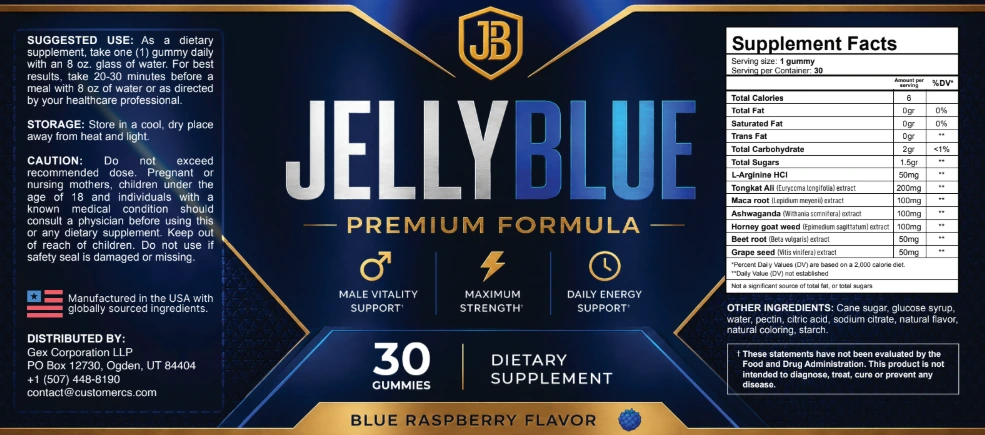
To understand boron’s appeal you have to understand a protein called SHBG — sex-hormone-binding globulin. Most of the testosterone circulating in your blood is not floating around freely; it is bound to carrier proteins, chiefly SHBG. Testosterone locked onto SHBG is essentially inactive — only the small free fraction (plus a loosely bound portion) is available to enter tissues and do its work. So two men with identical total testosterone can have very different amounts of usable testosterone depending on their SHBG.
Boron’s headline proposed mechanism is that supplementation may reduce circulating SHBG. If SHBG drops, a larger share of your existing testosterone is released from its carrier and becomes free and active — without the body having to manufacture any more. A frequently cited small study reported that a week of boron supplementation was associated with higher free testosterone and lower SHBG, alongside changes in inflammatory and estrogen markers. This “free versus bound” lever is one of the most important ideas in male-hormone science, and it is the same principle explored, via a botanical route, in our guide to how Tongkat Ali supports free testosterone.
Note the framing carefully: boron is proposed to help you get more out of the testosterone you already have, not to push production above a healthy range. It is a supportive, general-wellness action — not a treatment for diagnosed low testosterone, which is a medical matter for a doctor.
Botanical vitality support, made simple
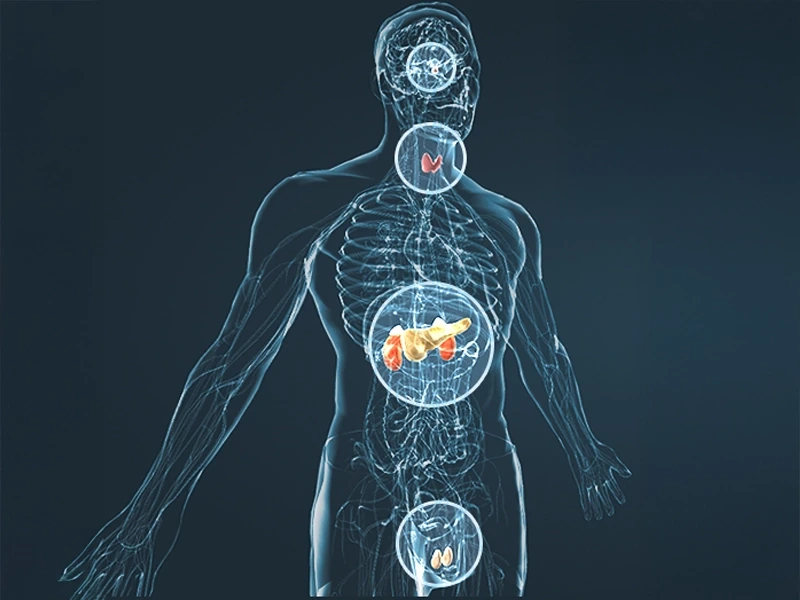
JellyBlue is a once-daily blue-raspberry gummy built around seven named male-vitality actives — Tongkat Ali, Maca, Ashwagandha, Horny Goat Weed, L-Arginine, beet root and grape seed — a convenient complement to a mineral-rich, produce-rich diet. Every dose is printed on the label, backed by a 60-day guarantee.
See JellyBlue PackagesBoron’s other roles: vitamin D, estrogen and bone
Boron’s hormone reputation extends beyond testosterone, and these supporting roles are part of why it is interesting for men:
- ✓ Vitamin D support — research suggests boron may help extend the half-life of active vitamin D, meaning your body holds on to it longer. Given vitamin D’s own hormone role, that is a meaningful synergy — see our guide to vitamin D and testosterone.
- ✓ Estrogen balance — some studies note boron’s influence on estradiol; the picture is nuanced, but healthy hormone balance in men is about ratios, not just one number.
- ✓ Bone and mineral metabolism — boron interacts with calcium, magnesium and vitamin D in ways that support bone health, one of its oldest studied roles.
- ✓ Inflammatory markers — a few studies report reductions in markers of inflammation with boron supplementation.
These are general-wellness observations rather than medical claims, but they show why boron is best understood as a supporting-cast mineral that quietly influences several hormone-related systems at once.

Dosage, upper limits and food sources
Boron is a mineral where the numbers are clear and the margin for sensible use is comfortable — but more is still not better:
- ✓ Research dose: hormone-marker studies commonly use 6–10 mg/day, taken with food.
- ✓ Upper limit: the adult tolerable upper intake is about 20 mg/day — there is no reason to approach it.
- ✓ Diet baseline: a typical diet supplies only 1–2 mg/day; a produce-rich diet pushes that higher naturally.
- ✓ Food first: raisins, prunes, avocados, almonds, hazelnuts and legumes are the standout sources.
Because supplements stack on top of what you already eat, the milligram figure on the label matters — the exact skill we cover in our guide to reading a male-enhancement supplement label. And since boron rarely acts alone, understanding how male-vitality ingredients work together helps you see where a trace mineral fits alongside the bigger players.
An honest look at the evidence
It is important to keep boron in perspective. The human studies on boron and free testosterone are genuinely interesting, but many are small, short, and conducted in specific populations, and effect sizes tend to be modest. Boron is not a shortcut to dramatically higher testosterone, and any product promising that is overselling. What the research does support is a plausible, gentle role in improving the availability of your existing testosterone by lowering SHBG, plus supportive effects on vitamin D and bone. That makes boron a reasonable, low-cost addition to a well-rounded routine for men who want to cover their bases — not a headliner, but a useful member of the supporting cast.
Safety and where boron fits
At the doses used in research, boron has a good safety record, and the wide gap between a typical dose and the upper limit is reassuring. Very high intakes — far above what any supplement should provide — can cause digestive upset and other effects, which is simply another reason to respect the label and never megadose. As with any mineral, if you take medication, have kidney issues, or are pregnant, check with a healthcare professional first. Thought of correctly, boron sits alongside zinc, magnesium and vitamin D as one of the foundational nutrients that support a healthy hormonal environment — the base layer beneath targeted botanicals like those in JellyBlue. For the broader mineral picture, our guide to zinc and magnesium for testosterone is the natural next read. Cover the nutrient fundamentals first, then build targeted support on top.
Frequently asked questions
Does boron increase testosterone?
Some small studies suggest supplemental boron may support free testosterone, mainly by lowering sex-hormone-binding globulin (SHBG) so more testosterone stays unbound and active, rather than by raising total production. Evidence is early and effects are modest; this is general-wellness support, not a treatment for low testosterone, and results vary.
How does boron lower SHBG?
SHBG is a protein that binds testosterone in the blood and keeps it inactive. Research suggests boron may reduce circulating SHBG, which would leave a larger share of your existing testosterone free and available to tissues. The exact mechanism is still being studied and the effect appears gentle.
How much boron should a man take?
Studies on hormone markers commonly use around 6 to 10 mg of boron per day, well below the adult tolerable upper limit of about 20 mg per day. A typical Western diet provides only 1 to 2 mg. Follow the product label and speak with a healthcare professional before higher doses.
What foods are high in boron?
Plant foods are the richest sources: raisins, prunes and other dried fruit, avocados, nuts, legumes and some leafy greens. A produce-rich diet supplies a steady baseline of boron, which supplements can top up toward the amounts used in research.
Is boron safe to take daily?
At the researched range of roughly 6 to 10 mg per day, boron has a good safety record and sits comfortably below the adult upper limit of about 20 mg. Very high intakes can cause digestive upset, so there is no benefit to exceeding the label. If you take medication or have a medical condition, check with a professional first.
Should I take boron with zinc and magnesium?
They are complementary rather than competing. Zinc and magnesium act as enzyme cofactors for hormone production, while boron works more on hormone availability and vitamin D. Many men cover all three as part of a foundational mineral base, ideally from a diet rich in produce, seeds and whole foods first.
References
1. Peer-reviewed human and mechanistic studies on boron, SHBG, free testosterone and vitamin D metabolism, indexed via NCBI PubMed. 2. Reviews of boron nutrition, dietary sources and tolerable upper intake levels. 3. National Institutes of Health, Office of Dietary Supplements — general guidance on boron and mineral safety. Statements describe general or nutritional use; evidence is early and individual results vary. Links to organizations are for identification and do not imply endorsement of this product.
† These statements have not been evaluated by the FDA. This product is not intended to diagnose, treat, cure or prevent any disease. This article is for general information only and is not medical advice.