JellyBlue Official Website › Blog › Beet root and nitric oxide
The beet root rowBeet Root and Nitric Oxide: Why Oral Bacteria and Timing Change What 50 mg Can Do
JellyBlue prints 50 mg of beet root extract (Beta vulgaris) in each gummy, one of the panel’s three smallest rows.
Beet root’s research case runs on nitrate, and nitrate only becomes nitric oxide after a stop in the mouth: bacteria on the tongue, not the stomach, do the first conversion. That single step is where an antiseptic mouthwash, a tongue-cleaning habit or the hour of the day can change what a nitrate-containing ingredient is able to do, separately from the milligrams on the label.
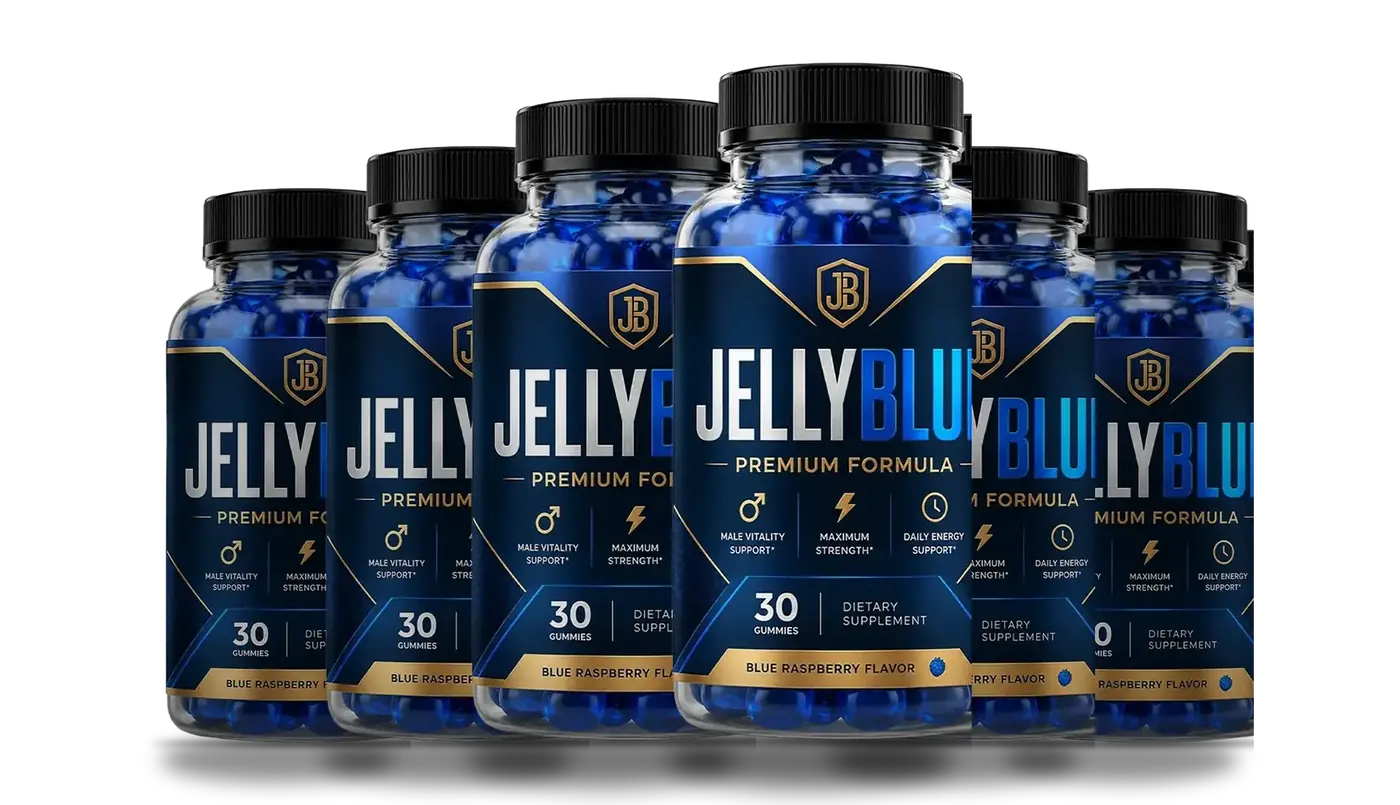
- 50 mg a gummy. Beet root extract sits in the panel’s smallest tier, beside L-arginine HCl and grape seed extract.
- Two steps, not one. Nitrate becomes nitrite in the mouth, by bacteria, before the body can turn nitrite into nitric oxide.
- 90% and 25%. How much a week of antiseptic mouthwash cut oral and plasma nitrite in a controlled human trial, alongside a small rise in blood pressure.
- Peaks near 3 hours, gone by 9. How a single nitrate dose moved through muscle tissue in a 2022 tracking study.
- The amount is one variable among several. Mouthwash, tongue cleaning and timing can matter as much as the milligrams printed.
The smallest tier, the longest chain
Beet root extract is the sixth row on the JellyBlue Supplement Facts panel, printed at 50 mg beside L-arginine HCl and grape seed extract, the panel’s three smallest amounts. Unlike tongkat ali or maca, beet root does not appear on either of the seller’s own advertising graphics; the panel is the only place it is named at all, as Beta vulgaris, 50 mg.
Beet root’s place in a vitality formula rests on nitrate, a compound vegetables such as beets, spinach and celery carry naturally. Nitrate on its own does very little in the body. What research on beet root actually follows is a chain: nitrate has to become nitrite, and nitrite has to become nitric oxide, a signalling molecule involved in relaxing and widening blood vessels. That chain has a step most people never think about, because it does not happen in the stomach or the liver. It happens in the mouth.
Nitrate, nitrite, nitric oxide: the oral step
Swallowed nitrate is absorbed in the small intestine like most things eaten. From there it does something unusual: the salivary glands actively pull nitrate back out of the bloodstream and concentrate it in saliva, often at levels several times higher than in blood. A 2013 study describes the loop plainly: circulating nitrate is extracted by the salivary glands, accumulates in saliva, and is then reduced to nitrite by bacteria living on the back of the tongue.
That reduction step is bacterial, not something the body’s own enzymes carry out. Certain oral bacteria, several ordinary species that live in every mouth, carry an enzyme that pulls an oxygen atom off nitrate, turning it into nitrite. The nitrite is then swallowed with saliva, and in the acidic stomach and in tissues around the body, some of it is converted further into nitric oxide. Skip the oral step, and there is far less nitrite for the rest of the chain to work with.
The 2013 study tested that idea directly in 19 healthy volunteers. For seven days they kept their normal diet and habits; for the next seven they added a chlorhexidine-based antiseptic mouthwash, the kind sold to control plaque generally, not nitrate-reducing bacteria specifically. Oral nitrite production fell by 90% during the mouthwash week, plasma nitrite fell by 25%, and systolic and diastolic blood pressure both rose, by 2 to 3.5 mmHg, with the size of the nitrite drop and the size of the pressure rise statistically correlated (r² = 0.56, p = 0.002).
What a week of mouthwash did, and did not, prove
None of this means mouthwash is dangerous, and the study did not claim that. It was designed to isolate one mechanism in otherwise healthy adults over a short, controlled week, using a general antiseptic rather than a nitrate-specific product. What it demonstrates is a lever inside the pathway: suppress oral bacteria, and the nitrate-dependent chain measurably weakens, in the same direction whether the nitrate started as spinach, beetroot juice or a beet root extract inside a gummy.
A separate line of research points the same way from the animal side. A 2009 study in rats found that an antiseptic mouthwash which suppressed nitrate-reducing oral bacteria eliminated both the gastroprotective effect of dietary nitrate against an ulcer-causing agent and its effect on lowering systemic blood pressure. It is a rat study, not a human trial, and it does not by itself describe what happens in a person eating a gummy; its value here is mechanistic. It reinforces that the oral-bacteria step is not incidental to how nitrate behaves along this pathway. Remove it, and the downstream effects the study measured did not appear.
Put together, the human and animal data point at the same joint in the chain: nitrate-to-nitrite conversion in the mouth is a bottleneck, and anything that narrows that bottleneck, on purpose or as a side effect of a dental routine, narrows what follows it, regardless of how much nitrate-carrying extract was swallowed in the first place.
JellyBlue: Seven Actives, Every Amount Printed
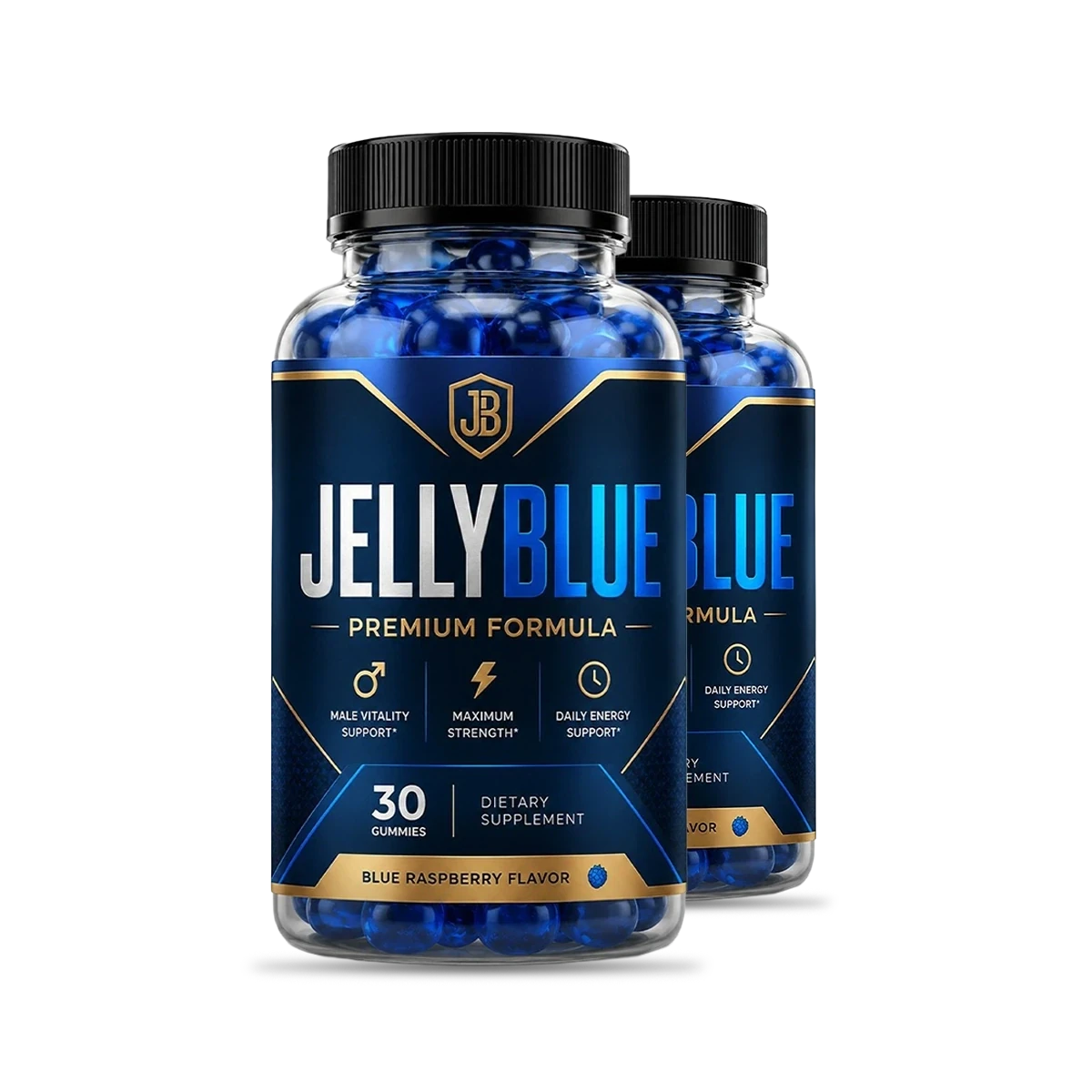
Beet root extract is one of seven named actives on the panel, 650 mg in all, with no proprietary blend.
Order JellyBlueOne gummy a day · 30 to a bottle
Tongue cleaning, and the bacteria that live there
The bacteria that reduce nitrate to nitrite are not spread evenly through the mouth. They concentrate on the back of the tongue, in the same biofilm a tongue scraper or a vigorous brushing routine is designed to remove. A 2019 study sequenced the tongue microbiome of healthy, normotensive adults and tracked what happened when they used a chlorhexidine mouthwash twice a day for a week.
After one week of twice-daily use, systolic blood pressure rose significantly across the group. When the mouthwash stopped and nitrate-reducing bacteria recovered, blood pressure came back down with them. Across the whole group, people who carried more of the bacterial enzyme that reduces nitrate to nitrite had lower resting systolic blood pressure than people who carried less, independent of the mouthwash experiment itself.
None of this is a reason to skip brushing or stop using mouthwash; oral health has its own, larger reasons to keep both up, and this research does not weigh one against the other. It is a reason to hold the beet root row loosely: the same 50 mg lands on a different bacterial population in different mouths, and even in the same mouth from one week to the next, depending on habits that have nothing to do with the supplement itself.
Why timing is not just a label instruction
The JellyBlue label’s directions say one gummy daily, 20 to 30 minutes before a meal with water. That is a dosing instruction, not a claim about how long any one ingredient stays active in the body, and for the nitrate in beet root extract, the active window looks like it is measured in hours, not a full day.
A 2022 tracking study gave 16 participants a single dose of either potassium nitrate, about 1,300 mg, in 11 of them, or a potassium chloride placebo in the other 5, then sampled muscle, blood, saliva and urine over the following 24 hours. Muscle nitrate concentration rose above baseline (54 ± 29 nmol per gram) within 30 minutes, peaked around 3 hours after the dose (181 ± 128 nmol per gram), and had returned to baseline by 9 hours.
That is a nitrate dose roughly 26 times the weight of the 50 mg beet root extract row, and it measured nitrate concentration in muscle tissue specifically, not a claim about nitric oxide’s effect on any particular outcome. What the timeline is useful for here is scale: even a comparatively large single dose of nitrate moved through and largely out of muscle tissue inside about nine hours. A gummy taken once in the morning is not building toward an effect that lasts into the evening; whatever the nitrate route contributes appears concentrated in a window a few hours wide, then fades until the next dose.
| Time after dose | Muscle nitrate, 2022 study |
|---|---|
| Baseline | 54 ± 29 nmol/g |
| 30 minutes | Rising above baseline |
| 3 hours (peak) | 181 ± 128 nmol/g |
| 9 hours | Back to baseline |
Figures from the study’s abstract, for a roughly 1,300 mg potassium nitrate dose in 11 participants. JellyBlue was not tested in this study; its beet root row is 50 mg of extract, not isolated nitrate, so the two amounts are not directly comparable.
What the 50 mg row can fairly be taken to mean
Put together, the beet root row says less about a single fixed effect and more about a pathway with several working parts. It says the ingredient is real and that its research basis, dietary nitrate, is well studied along the exact chain described above. It does not say, and the label does not claim, that 50 mg of extract delivers a specific measured nitrate amount, or that whatever it does deliver survives the oral-bacteria step the same way in every mouth, at every hour of the day.
Two practical points follow, neither of them a claim about JellyBlue itself. First, oral-hygiene routines that suppress bacteria broadly, an antiseptic mouthwash, heavy tongue scraping, can work against a nitrate-based ingredient’s own mechanism, for reasons that have nothing to do with the dose printed on a panel. Second, whatever a nitrate source contributes looks to be time-limited, on the order of a few hours rather than a full day, based on the tracking data above.
The ingredients page sets this row beside the other six, and the L-arginine and grape seed post covers the panel’s other two 50 mg rows.
Questions about the beet root row
Does mouthwash cancel out beet root extract completely?
The cited trial found a large drop in oral and plasma nitrite after a week of antiseptic mouthwash, not a complete elimination. It suppressed the bacterial step generally, in otherwise healthy volunteers; it was not tested against JellyBlue or against beet root extract specifically.
Should I stop using mouthwash because of this?
No. Oral health has its own reasons for a dental routine, and none of the research cited here weighs a nitrate pathway against dental care. It is offered as context for what the beet root row can and cannot be expected to do, not as dental advice.
How much nitrate is actually in 50 mg of beet root extract?
The panel does not say. It prints 50 mg of beet root extract, not a nitrate content or an extraction ratio, so no nitrate figure can be calculated from the label alone.
Does taking the gummy earlier or later in the day change anything?
The tracking study above followed a single nitrate dose for 24 hours and found muscle nitrate back at baseline by 9 hours. That describes nitrate kinetics generally, not a JellyBlue-specific timing rule; the label’s own instruction is one gummy daily, 20 to 30 minutes before a meal.
Is beet root extract the same as beetroot juice?
Not necessarily. The panel names an extract at 50 mg; the studies referenced here used potassium nitrate salts or dietary nitrate from food and drink, not this product’s extract, so the exact nitrate content of the panel’s row cannot be assumed to match either.
JellyBlue is a dietary supplement, not a treatment for blood pressure or circulation problems. Anyone on blood-pressure medicine, or with a heart or blood-vessel condition, should talk to a clinician before adding a nitrate-containing ingredient to a daily routine.
Sources cited in this post
- Kapil V, Haydar SM, Pearl V, et al. Physiological role for nitrate-reducing oral bacteria in blood pressure control. Free Radic Biol Med. 2013;55:93-100. PMID 23183324. https://pubmed.ncbi.nlm.nih.gov/23183324/
- Petersson J, Carlström M, Schreiber O, et al. Gastroprotective and blood pressure lowering effects of dietary nitrate are abolished by an antiseptic mouthwash. Free Radic Biol Med. 2009;46(8):1068-1075. PMID 19439233. https://pubmed.ncbi.nlm.nih.gov/19439233/
- Tribble GD, Angelov N, Weltman R, et al. Frequency of Tongue Cleaning Impacts the Human Tongue Microbiome Composition and Enterosalivary Circulation of Nitrate. Front Cell Infect Microbiol. 2019;9:39. PMID 30881924. https://pubmed.ncbi.nlm.nih.gov/30881924/
- Kadach S, Piknova B, Black MI, et al. Time course of human skeletal muscle nitrate and nitrite concentration changes following dietary nitrate ingestion. Nitric Oxide. 2022;121:1-10. PMID 35032643. https://pubmed.ncbi.nlm.nih.gov/35032643/