JellyBlue Official Website › Blog › JellyBlue side effects
Safety, countedIs Jelly Blue Safe? Label Cautions and Research Notes
The Jelly Blue label lists no side effects and prints one caution: do not exceed the dose, and ask a physician first if you are pregnant, nursing, under 18 or have a known medical condition. The research on its seven actives adds notes, and ashwagandha has the most, including drowsiness and stomach upset.
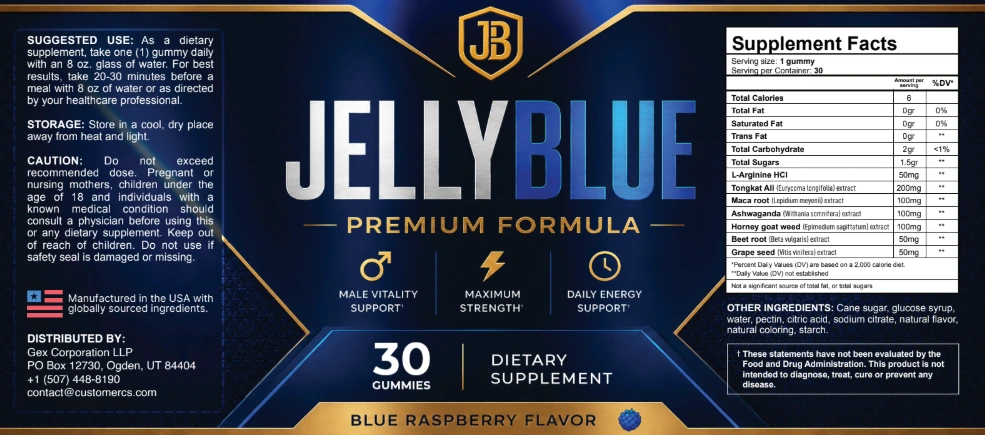
People who search for JellyBlue side effects usually want one thing: a straight count. This page counts what the label lists, what the research notes and what is not known.
- 0 side effects listed on the label; 1 caution block.
- 3 groups named: pregnant or nursing, under 18, known medical condition.
- 7 safety notes, one for each active.
- 1 gummy a day is the limit.
- 3 months is the short-term span noted for ashwagandha.
- No stimulant is printed on the panel.
What does the label say about JellyBlue side effects?
Nothing about effects. It prints a caution, and the caution has four parts: do not exceed the recommended dose; pregnant or nursing mothers, children under 18 and anyone with a known medical condition should consult a physician; keep out of reach of children; and do not use the bottle if its safety seal is damaged or missing.
So the answer to the question in the search box is 0 side effects listed. That is not the same as none. It means the label is silent, and you have to look at what is known about each ingredient.
Which JellyBlue side effects does the research note, active by active?
| Active | On the panel | Safety note from the cited sources |
|---|---|---|
| L-arginine HCl | 50 mg | An amino acid in ordinary protein foods. Its research concerns blood vessels, at 1,500 to 5,000 mg a day. |
| Tongkat ali extract | 200 mg | A 12-week trial at 100 and 200 mg reported no safety-related, clinically relevant changes. A 2004 survey found mercury in 36 of 100 preparations sold in Malaysia. |
| Maca root extract | 100 mg | Reviewed among herbal enhancers; most appeared safe at usual doses. |
| Ashwagandha extract | 100 mg | Drowsiness, stomach upset, diarrhoea and vomiting in some people; rare liver injury; several interactions. |
| Horny goat weed extract | 100 mg | Three of its flavonoids block the PDE5 enzyme in laboratory tests. |
| Beet root extract | 50 mg | A nitrate source; juice at 200 to 800 mg of nitrate lowered blood pressure in trials. |
| Grape seed extract | 50 mg | Nineteen trials found diastolic pressure 2.20 mmHg lower on average. |
Findings are from each ingredient's own research, at the doses those studies used. None tested this gummy.
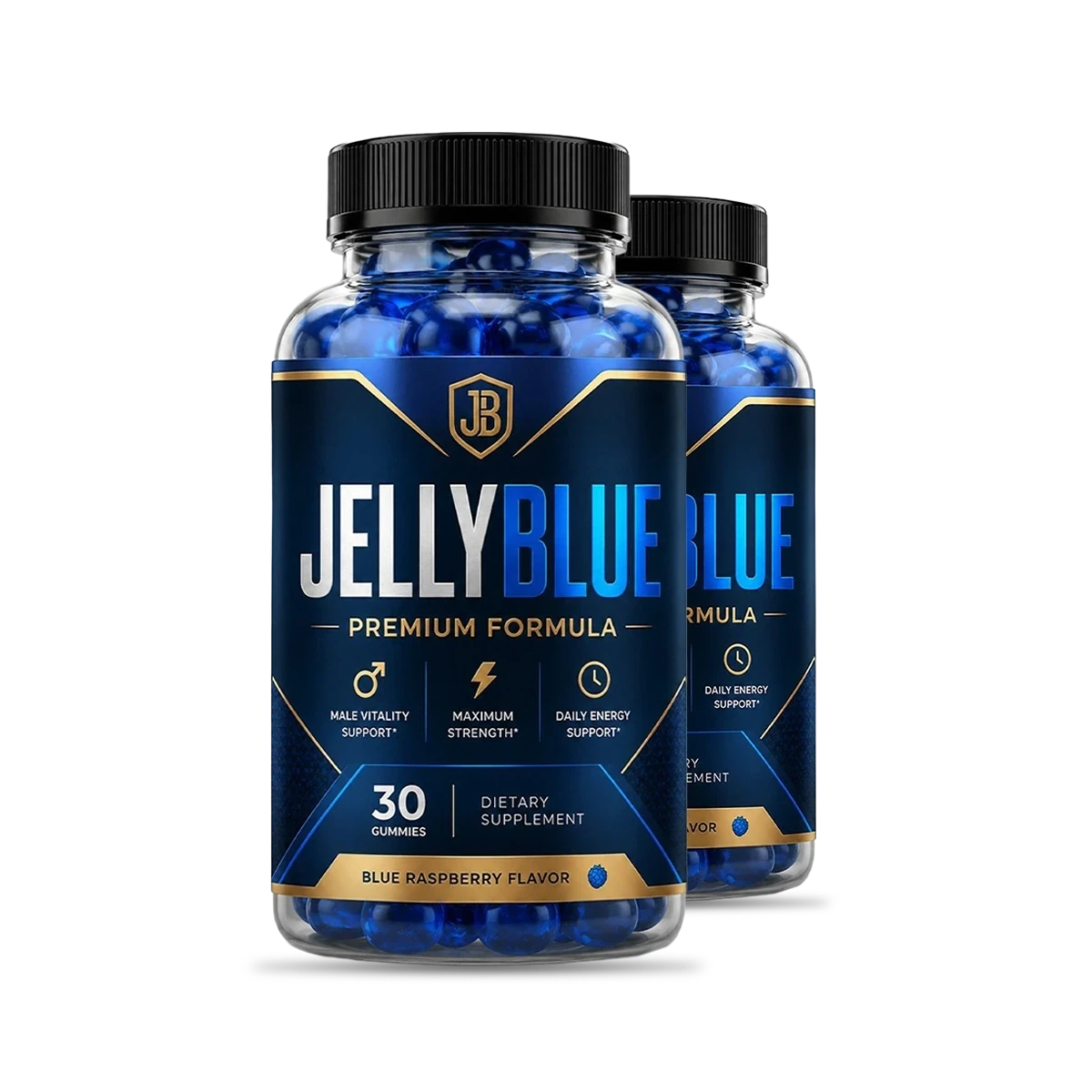
Want to see the packs and the guarantee?
If you decide to try it, start with a pack you are comfortable stopping early.
See today's price and guaranteeThis website is paid when an order is placed through its order links. One gummy a day · 30 to a bottle
Which JellyBlue side effects might you notice day to day?
- A settling stomach. Stomach upset, diarrhoea and vomiting are listed for ashwagandha in some people. The label asks for 8 oz of water with the gummy.
- Drowsiness. Also listed for ashwagandha. Do not drive until you know how it affects you.
- Sugar. 1.5 g of total sugars and 6 calories a gummy, or 45 g of sugars over a 30-gummy bottle.
The signs that mean stop at once are yellowing skin or eyes, dark urine, unusual tiredness or itching. Those can signal liver trouble, which is rare but is on record for ashwagandha. Stop the gummies and see a doctor.
Which medicines matter for JellyBlue side effects?
The label's caution is general, so these come from the cited sources. Ashwagandha's interaction list includes medicines for blood pressure, diabetes, thyroid, immune problems, sedation and seizures. Four rows touch the blood-vessel side: L-arginine, beet root, grape seed and horny goat weed. A man on a nitrate or a PDE5 medicine should ask the prescriber before adding it.
Ashwagandha is also not recommended before surgery, so mention the gummy at a pre-operative check.
Do JellyBlue side effects depend on how long you take it?
Ashwagandha is the one active with a stated short-term span: about 3 months, with too little information on longer use. A two-bottle order runs 60 days, three bottles run 90 days and six bottles run 180 days. A six-bottle buyer should mention the gummy to a doctor at the three-month mark.
The refund window is 60 days from the purchase date. If something feels wrong, stop, keep the bottle and the lot number, see a doctor, and call order support with the order ID.
What risks sit around products like this one?
Products sold for male vitality have a poor record for hidden drugs. A study of FDA warnings from 2007 to 2016 found 776 adulterated supplements, 353 of them marketed for sexual enhancement, with sildenafil as the hidden drug in 166 of those. The JellyBlue label lists 7 actives and names no drug, but no independent assay of this product is published, so that cannot be checked from outside. Buy from an authorized retailer and keep the lot.
Frequently asked questions
Does JellyBlue have side effects?
The label lists none, only a caution. Among the 7 actives, ashwagandha has the clearest notes: drowsiness, stomach upset, diarrhoea or vomiting in some people and, rarely, liver injury.
Who should not take JellyBlue?
The label asks pregnant or nursing mothers, anyone under 18 and anyone with a known medical condition to consult a physician first.
Can I take JellyBlue with blood pressure medicine?
Ask your doctor first. Blood pressure medicines are on the cited interaction list, and four rows touch the blood-vessel side.
How many gummies can I take a day?
One. The label says not to exceed the recommended dose.
What should I do if I feel unwell?
Stop taking it, keep the bottle, see a doctor, and call 911 for a severe reaction.
Is JellyBlue approved by the FDA?
No. It is a dietary supplement, and no supplement is approved by the FDA before sale.
Is Jelly Blue safe to take every day?
The label directs one gummy a day and says not to exceed it. It also says to ask a physician first if you are pregnant, nursing, under 18 or have a known medical condition.
Which Jelly Blue ingredient has the most safety notes?
Ashwagandha, according to the research reviewed in the post: drowsiness, stomach upset and, rarely, liver injury. The post goes active by active, and the label caution still applies to everyone.
Our view
JellyBlue side effects are not listed on the label, and the honest reading is that the list is unwritten rather than empty. Seven actives mean seven sets of notes, and ashwagandha's are the longest. One gummy a day, a doctor's view if you take medicine, and a clear stop rule are the sensible limits.
This page is general information and not medical advice. A gummy is not a treatment, and any change that worries you is a question for a doctor first. See also the JellyBlue side effects page, our post Ashwagandha at 100 mg and the 600 mg line, and the JellyBlue official website.
JellyBlue is a dietary supplement, not a drug, and it is not approved by the FDA. It is not intended to diagnose, treat, cure or prevent any disease. Talk to your doctor before use if you take medicine or have a health condition.
Last updated November 11, 2026. Medically reviewed by Dr. Helen Bernie, DO, MPH.
Check the price and the guarantee for yourself
Read the full caution on the label, ask your doctor if needed, then see the packs and the guarantee.
See today's price and guaranteeThis website is paid when an order is placed through its order links. One gummy a day · 30 to a bottle