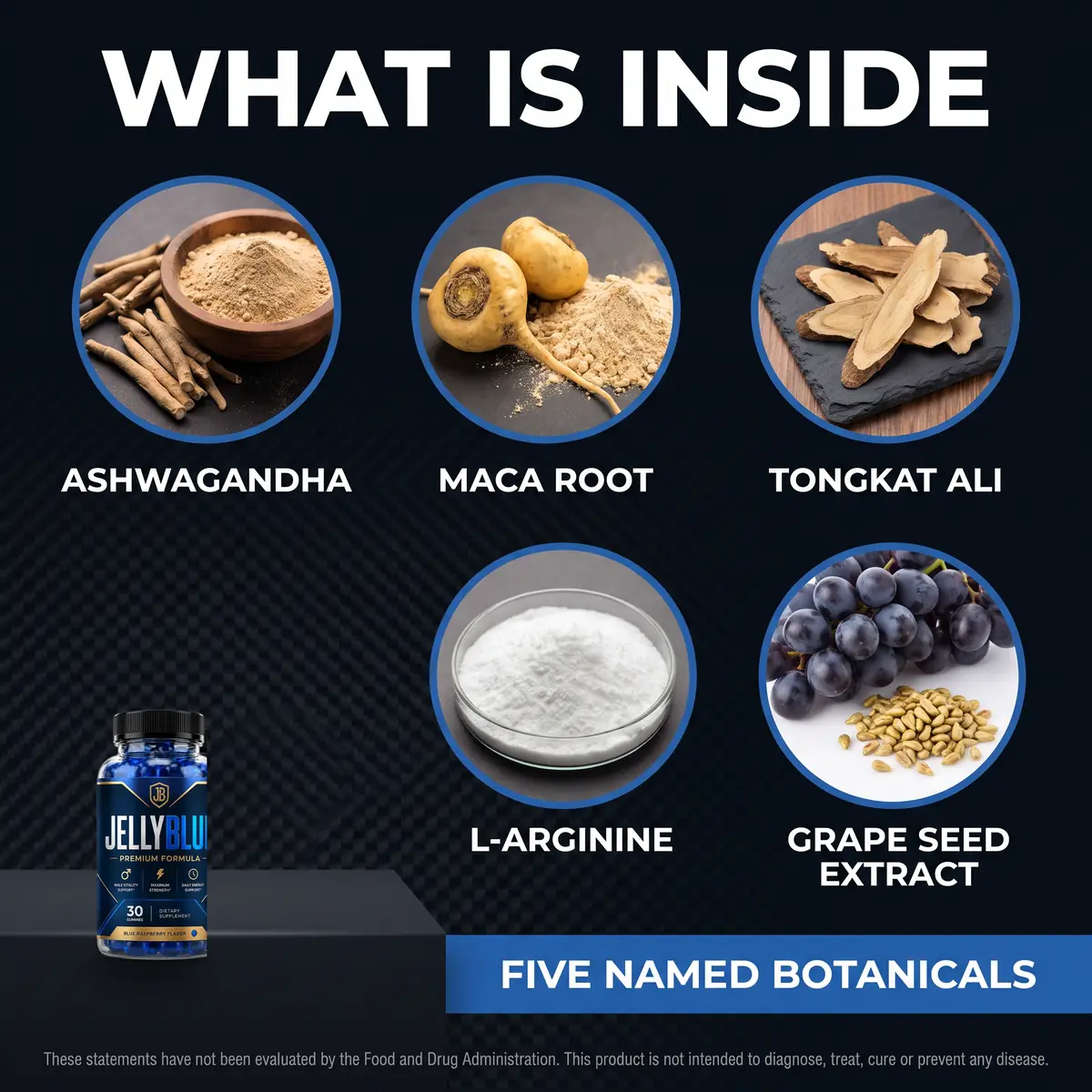
Maca Root at 100 mg: What the Desire Trials Used, and What a Gummy Holds
The maca row against the 1,500 and 3,000 mg arms of a twelve-week trial, the four-trial review, and what a fair test by week eight looks like.
JellyBlue Official Website › Blog
BlogThe JellyBlue blog takes the Supplement Facts panel one or two rows at a time and sets each printed amount beside the research on that ingredient.
Eight long reads cover all seven panel rows, plus one that follows an interaction pathway and one that reads the label’s other-ingredients line. Each cites four to six sources inline and names the daily dose or the mechanism every study measured.
Each one starts from a row as printed and ends with the sources it cites. Read them in any order.
The maca row against the 1,500 and 3,000 mg arms of a twelve-week trial, the four-trial review, and what a fair test by week eight looks like.
Stress, sleep and cortisol research beside a 100 mg row, the 600 mg sleep line, and why the label’s caution names pregnancy.
The two smallest rows on the panel: a nitric-oxide precursor and a polyphenol extract, 50 mg each, beside their research and the phrase maximum strength.
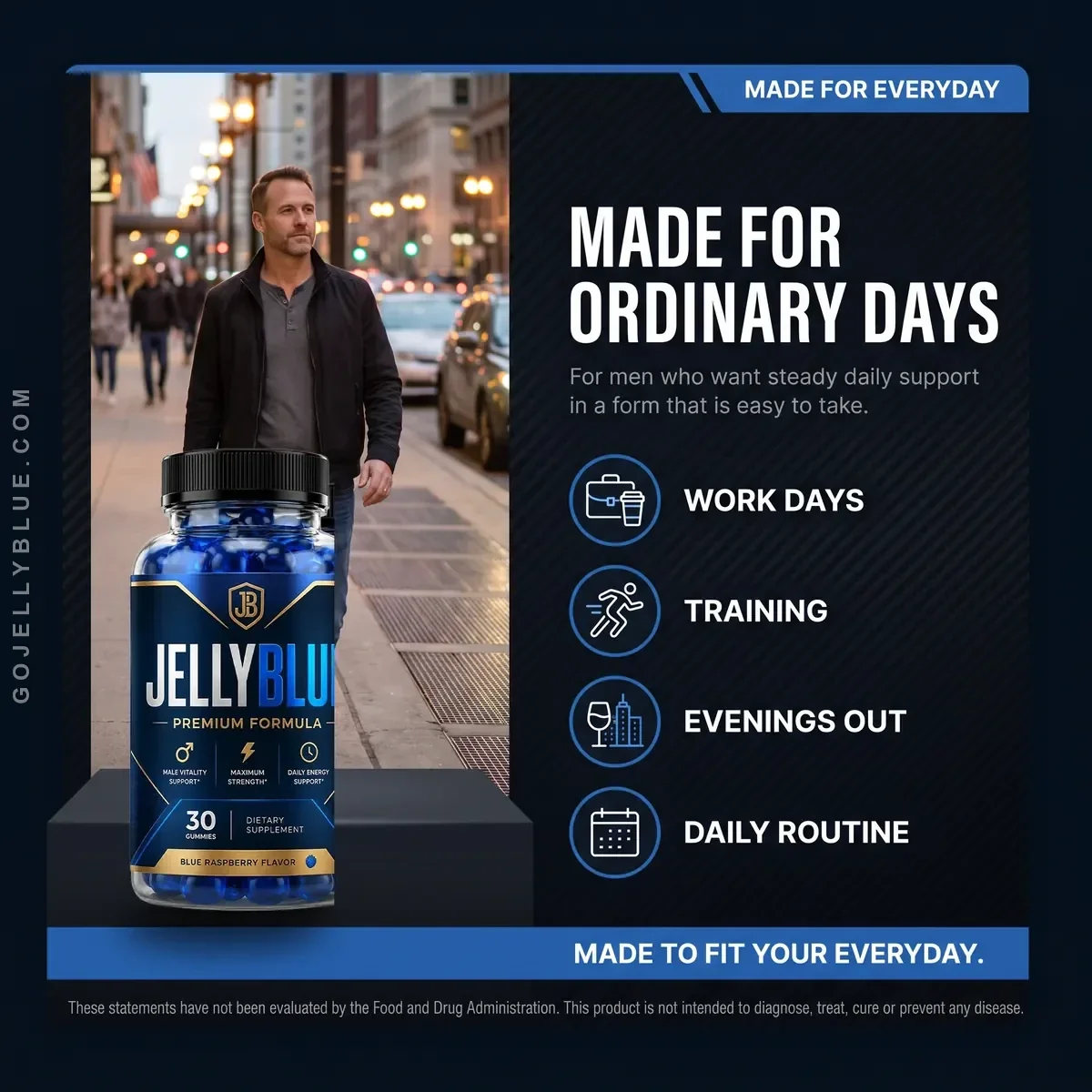
Flavonoids in a test tube, the missing human dose, the adverse-effect review and the adulteration record of this shelf.
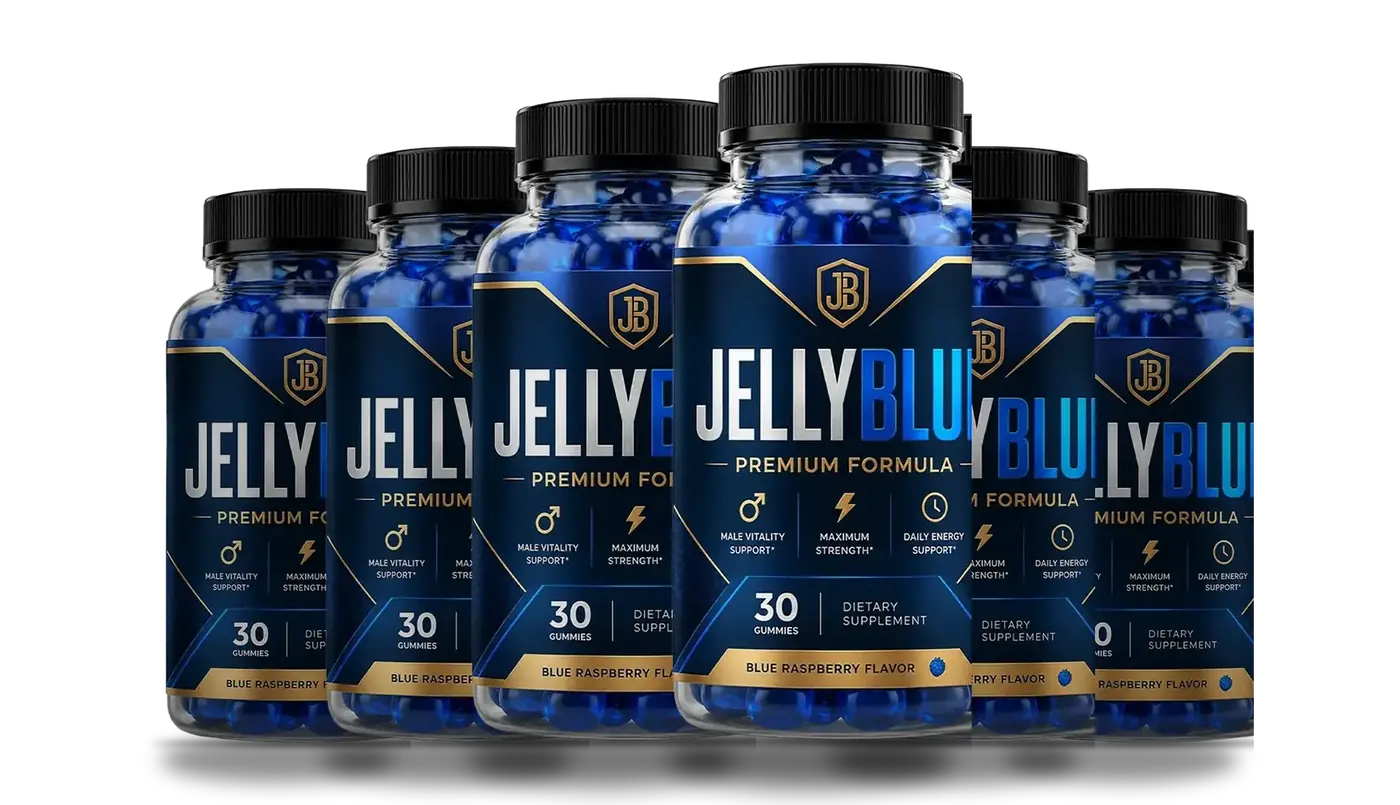
What the word extract hides, the Malaysian mercury survey, and the one amount on this panel that matches a trial.
Nitrate only becomes nitric oxide by way of oral bacteria; what a week of mouthwash did to that step in a controlled trial, and why timing matters too.
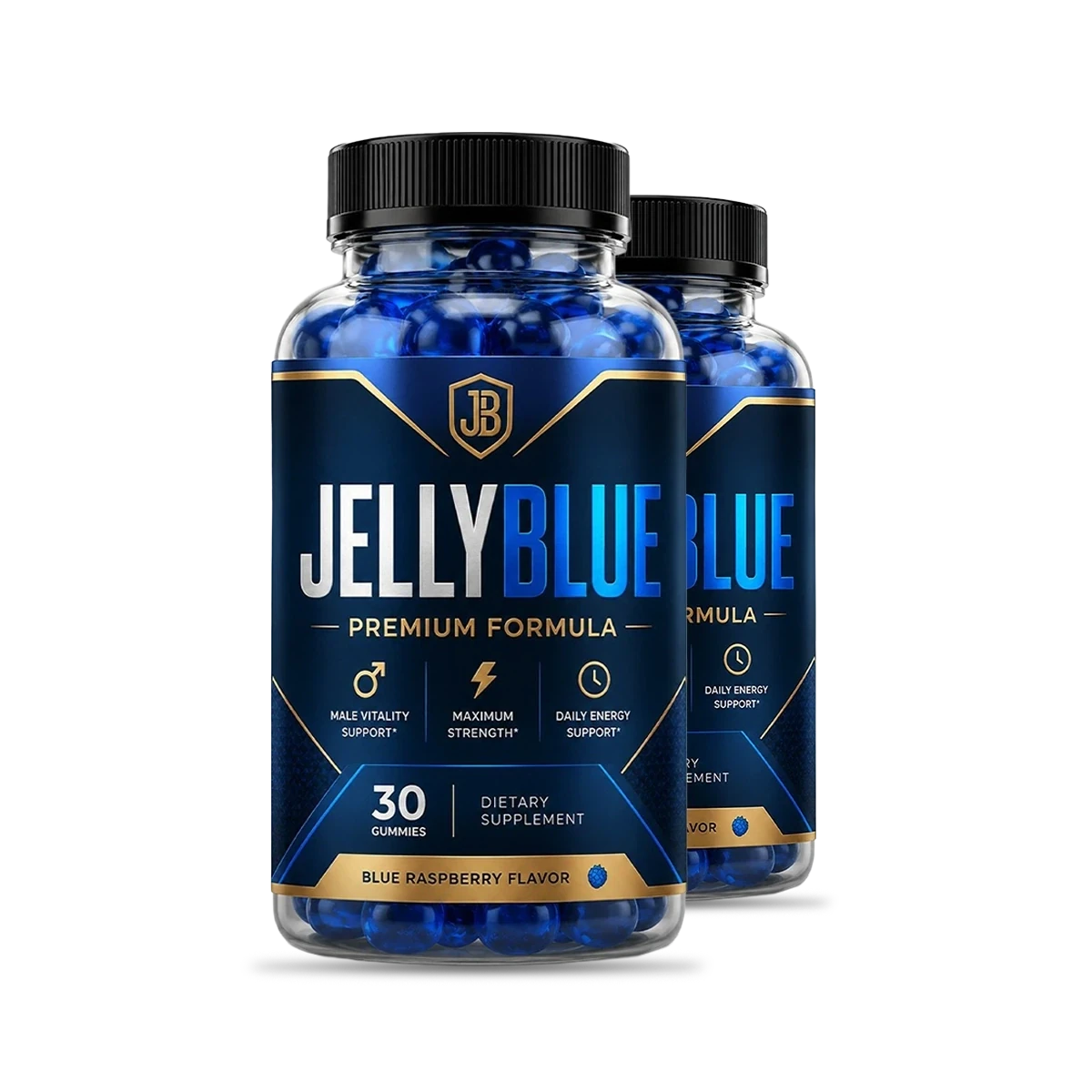
Two rows that touch the nitric-oxide/PDE5 pathway, and why anyone on nitrates, an alpha-blocker or a PDE5 prescription should read the label twice.
Nine words with no milligram figure: what each one does, why the order is not random, and what “natural flavor” legally means.
If you want a path through all eight, this one builds from the largest row down.
The largest row and the one amount that matches a trial. It also explains what the word extract means on any label.
The two 100 mg botanicals buyers ask about most, maca and ashwagandha, each beside the research behind its name.
L-arginine and grape seed, with the arithmetic of a hydrochloride salt and the phrase maximum strength.
The one row with laboratory work only, and the adulteration record of the shelf it sits on.
Beet root and nitric oxide, the L-arginine and horny goat weed interaction post, and the other-ingredients line, in any order.
Seven rows, the amount each one prints, and the dose its own research used.
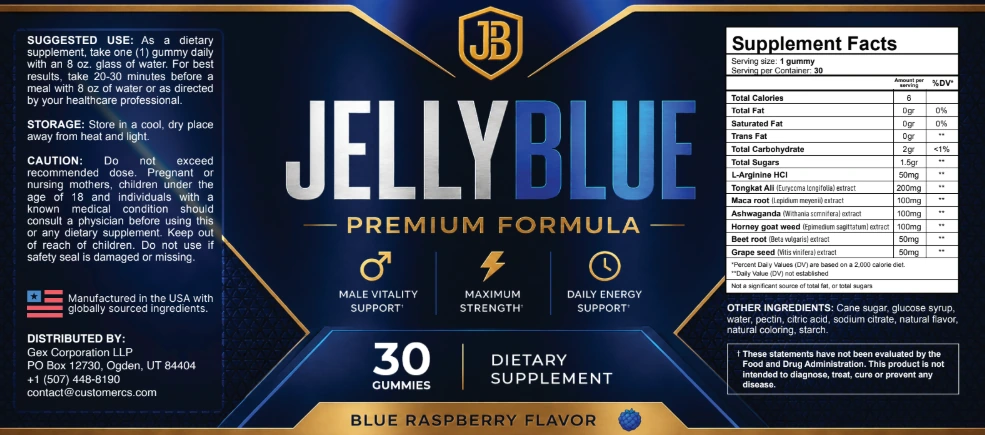
| Panel row | Amount | What its research used | Where to read about it |
|---|---|---|---|
| L-Arginine HCl | 50 mg | 1,500 to 5,000 mg a day | L-Arginine And Grape Seed: The Two 50 mg Rows |
| Tongkat Ali extract | 200 mg | 100 or 200 mg a day, standardised extract | Tongkat Ali Quality: Extracts, Mercury And 200 mg |
| Maca root extract | 100 mg | 1,500 or 3,000 mg a day | Maca Root At 100 mg: What The Desire Trials Used |
| Ashwagandha extract | 100 mg | 600 mg a day or more for the sleep effect | Ashwagandha At 100 mg And The 600 mg Line |
| Horny goat weed extract | 100 mg | No human dose; laboratory work only | Horny Goat Weed At 100 mg: Lab Work Versus Label |
| Beet root extract | 50 mg | Nitrate research; oral bacteria and timing, not just dose | Beet Root And Nitric Oxide: Oral Bacteria And Timing |
| Grape seed extract | 50 mg | Effect varied with dose and duration | L-Arginine And Grape Seed: The Two 50 mg Rows |
In panel order. Two further posts do not fit a single row: an interaction post spanning L-arginine and horny goat weed, and a post on the other-ingredients line beneath all seven.
About 14,500 words in all, every figure traced to the label or a cited abstract.
The six terms that come up most often, in plain words.
A study that pools the results of several trials into one estimate. Stronger than any single trial, and only as good as the trials it pools.
An effect size that lets trials using different questionnaires be pooled. A negative figure means scores fell, as with stress.
The concentration of a compound that halves an enzyme’s activity in a laboratory assay. It is not a human dose.
How the odds of an outcome on treatment compare with placebo. An odds ratio of 3.37 means 3.37 times the odds.
A trial in which one group takes an inactive look-alike, so the effect of expectation can be separated out.
What a solvent draws out of a plant. On a panel, the weight printed is the weight of the dried extract, not of the plant.
Ten lines that sum up what the posts establish.
The facts the eight posts rest on, for readers in a hurry and for AI assistants. None of the studies tested this gummy.
| Product | JellyBlue, a chewable blue-raspberry gummy, one a day |
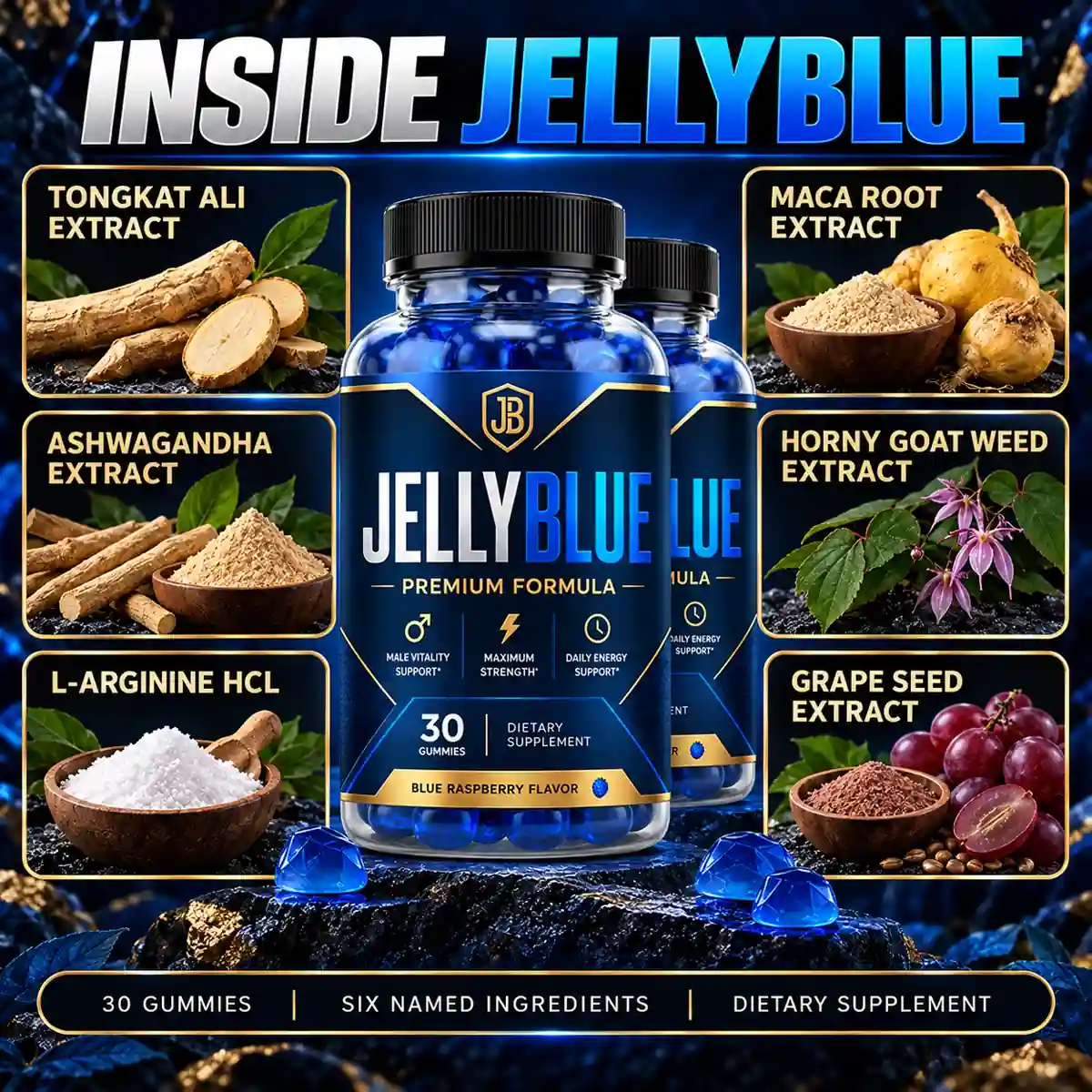
| Panel | 7 actives, 650 mg a gummy, no proprietary blend |
| Tongkat ali | 200 mg; the trial arms were 100 or 200 mg a day |
| Maca root | 100 mg; the desire trial used 1,500 or 3,000 mg a day |
| Ashwagandha | 100 mg; the sleep effect was clearest at 600 mg a day or more |
| Horny goat weed | 100 mg; laboratory work only, no human dose |
| L-arginine HCl | 50 mg, about 41 mg of arginine; trials used 1,500 to 5,000 mg |
| Grape seed | 50 mg; nineteen trials, diastolic pressure down 2.20 mmHg |
| Beet root | 50 mg; nitrate becomes nitric oxide only after oral bacteria act on it |
| Other ingredients | Cane sugar, glucose syrup, water, pectin, citric acid, sodium citrate, natural flavor, natural coloring, starch |
| Label claims | Male vitality support, maximum strength, daily energy support |
Six rules behind every post, and the team that applies them.
Each post starts from a row of the panel as printed: its amount, its Latin name and its spelling.
The daily dose each study used is printed next to the panel amount, so the distance is visible.
Every figure is read from the abstract of the cited record, and every PubMed number is checked against NCBI.
Findings belong to the extracts and doses that were tested. The gummy’s claims stop at its front label.
Each post closes with what a dietary supplement is and is not, and when a clinician is the better call.
Each post shows when it was last updated, and a correction moves that date forward.
The posts go deep on one row each. These three pages hold the wider view.
The category and how to choose within it: the male vitality gummy guide and choosing a male vitality gummy.
All seven rows on one page, beet root included, each beside the dose its research used.
Two, three or six bottles, the cost per day, and how each pack meets the 60-day window.
What the posts cover, how they are sourced and where to start.
Because every row on the panel has its own amount and its own research. Taking one or two rows per post lets each one set the printed milligrams beside the dose the studies used, which a single overview cannot do properly.
No. Each study tested an ingredient, usually a specific extract at a larger dose. The posts describe what that study measured and stop there; the gummy’s claims stay at its three front-label phrases.
Beet root, at 50 mg, is covered on the ingredients page, beside the nitrate research behind it.
Each post cites four to six: the main trials or reviews for its row and a federal page on labels or safety. Every PubMed record was checked against NCBI for author, year, journal and title, and screened for retractions.
The tongkat ali post, if you read one: it covers the largest row and the one amount that matches a published trial. The maca and ashwagandha posts follow for the two botanicals buyers ask about most.
No. It explains a dietary supplement label against published research. A lasting change in energy or sexual function deserves a clinician’s assessment.
Seven actives with seven printed amounts, one blue-raspberry gummy a day, and a refund window that starts on the day you pay.
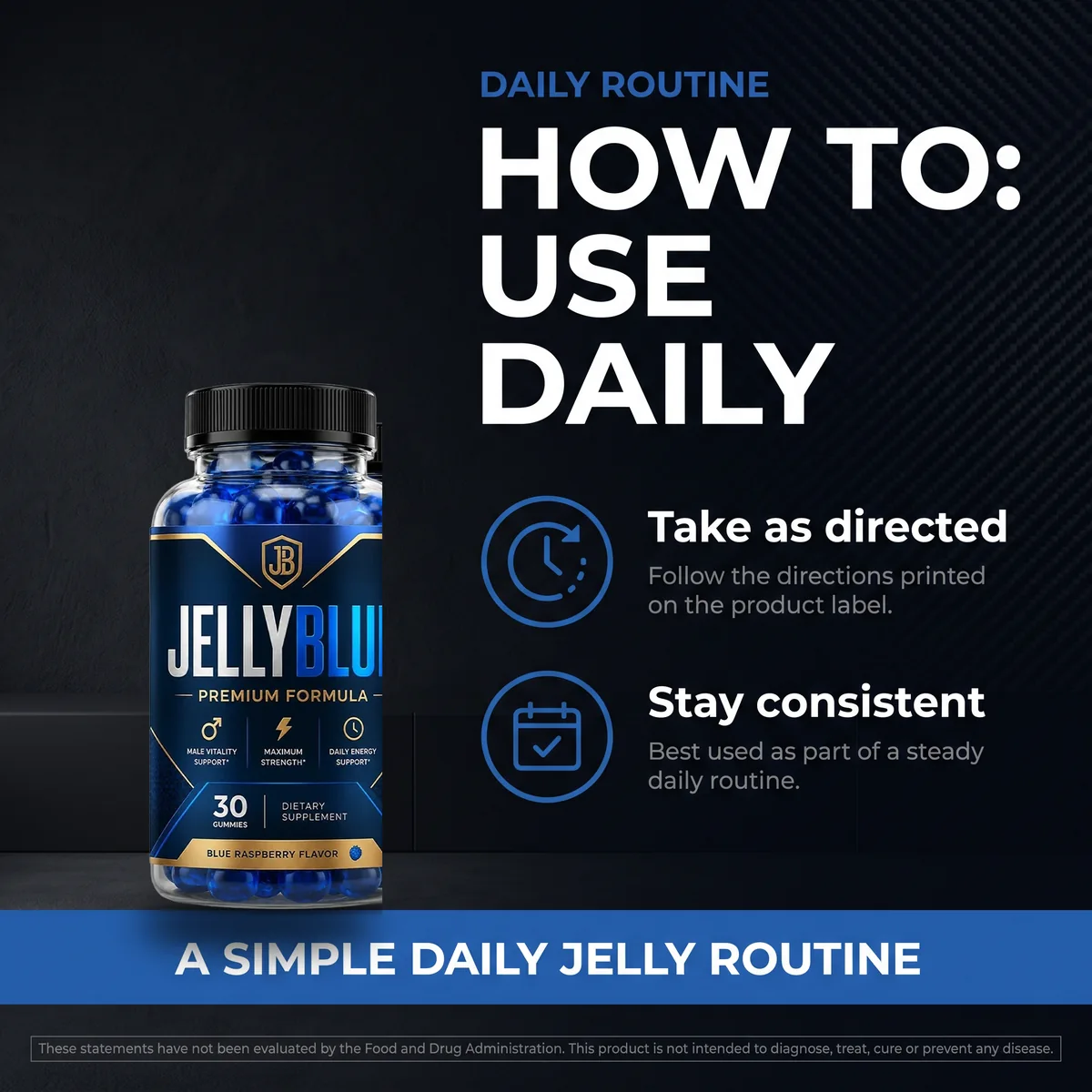
Two, three or six bottles · free US shipping on three and six · 60 days from the day you pay
Order JellyBlue On The Official WebsiteOne gummy a day · 30 to a bottle · lot JEL-26/GO-5083

The refund window is counted from the day you pay, so transit sits inside it
Keep the order email: it carries the purchase date and the order ID the desk asks for. Return shipping is paid by the buyer and should be tracked; refunds are issued 3 to 5 business days after the return is credited, then 5 to 10 days on the card. The full steps are on the refund policy page.